Can You Bring a 42,800 mAh Solar Power Bank on a Plane? TSA Rules & Wh Limits
Imagine arriving at TSA security before a dream backcountry expedition, only to have your high-capacity solar power bank confiscated at the scanner.
Yes, you can bring a 42,800 mAh solar power bank on a plane, but ONLY in your carry-on bag and strictly WITH prior airline approval.
At the standard 3.7V nominal cell voltage used in consumer lithium-polymer electronics, a 42,800 mAh battery equals 158.36 Watt-hours (Wh). Because the FAA caps unrestricted carry-on batteries at 100 Wh and bans passenger aircraft transport above 160 Wh, your 42,800 mAh charger sits in the special 100–160 Wh approval tier. It is strictly prohibited in checked luggage under federal aviation safety law.
Flying Rules Decision Matrix for High-Capacity Solar Chargers
A 42,800 mAh power bank operates at roughly 158.36 Wh (at 3.7V), placing it in the regulated 100–160 Wh FAA/TSA tier. It is permitted on commercial passenger flights exclusively in carry-on luggage, provided you obtain prior authorization from your operating airline (maximum 2 units per passenger).
Best choice for
- 42,800 mAh Power Bank in Carry-On with Prior Airline Approval — Delivers maximum allowable energy storage off-grid (158.36 Wh), keeping GPS units, phones, and headlamps powered for up to a week when paired with pre-flight airline clearance.
- Sub-27,000 mAh (100 Wh) Power Bank — Passes through TSA security checkpoints automatically without needing advance airline permission or extra paperwork.
- Packing any lithium-polymer power bank inside checked or hold baggage (a direct violation of 49 CFR 175.10).
- Traveling with a battery where factory specification labels have rubbed off or become unreadable.
- Attempting to carry on batteries exceeding 43,243 mAh / 160 Wh without hazardous cargo transport manifests.
- Dual 20,000 mAh (74 Wh) Power Packs — Splits your battery bank into two unrestricted carry-on units totaling 148 Wh without triggering airline pre-approval rules.
Pro Tip: How to Guarantee Smooth TSA Checkpoint Screening
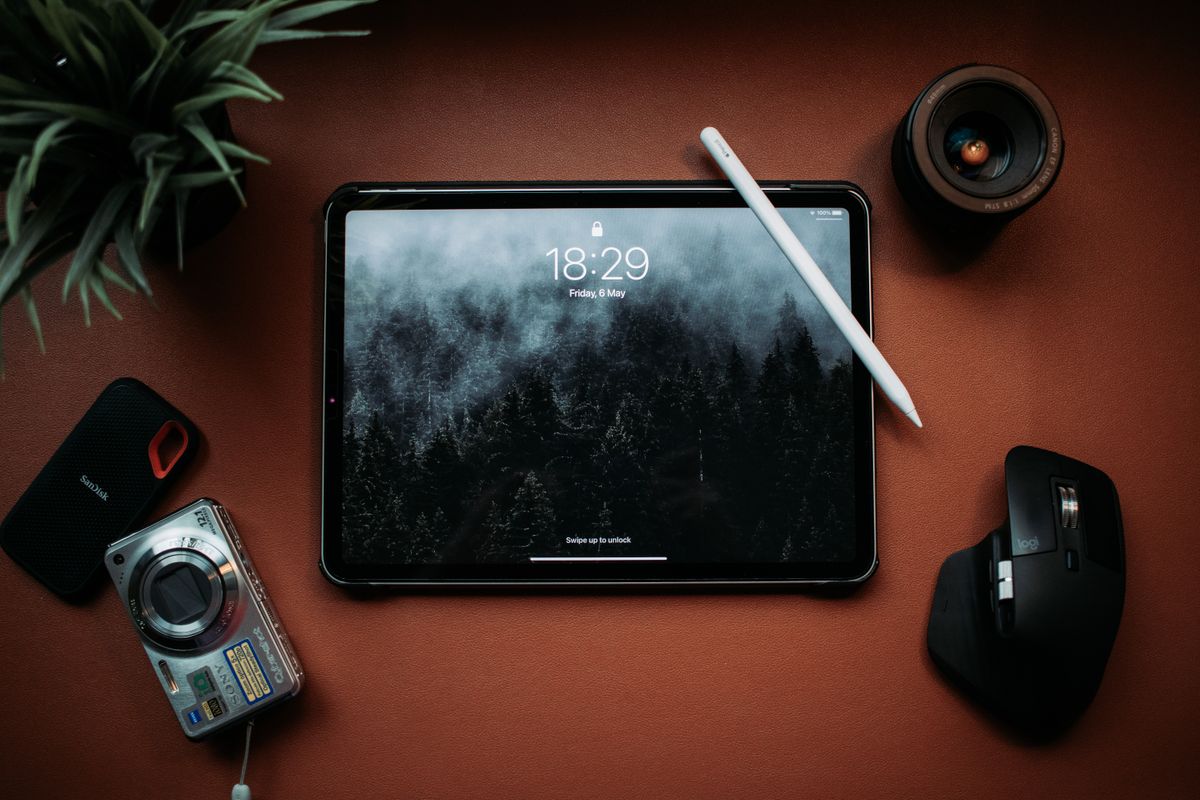
Photo by Carlos Jairo on Pexels
Get written airline pre-approval and protect physical specification labels.
When TSA officers pull your 42,800 mAh solar charger for secondary inspection, they examine the physical housing for a factory-printed Watt-hour (Wh) or Milliamp-hour (mAh) and Voltage rating.
Power Bank TSA Compliance Calculator
Unsure if your outdoor battery pack meets federal aviation standards? Use this mathematical formula to convert milliamp-hours (mAh) and nominal voltage (V) into Watt-hours (Wh) to verify your TSA compliance tier.
Pre-Flight Preparation Plan
Your decision: Confirm whether you can secure advance airline approval for a 158.36 Wh carry-on power bank, or if you should travel with smaller sub-100 Wh power packs.
Do this next: Inspect the factory text panel on your 42,800 mAh power bank to ensure '158.36 Wh' or '3.7V' is fully legible. Email your airline's customer service 48 hours before departure to request written carry-on approval.
- Read next: FAA PackSafe Guidelines for Batteries
Solar Charge Kit (42,800 mAh Heavy Duty Pack) — Features clear factory-stamped 158.36 Wh markings, ruggedized IP67 housing, and 4 integrated cables built for off-grid expeditions.
Follow these practical steps before leaving for the airport with your 42,800 mAh solar charger.
Key Airport Security Rules for Solar Battery Packs
- Mathematical Breakdown: A 42,800 mAh battery rated at 3.7V equals exactly 158.36 Wh, fitting just below the 160 Wh absolute federal threshold.
- Carry-On Only: Loose or spare lithium power banks are 100% prohibited in checked baggage due to thermal runaway fire hazards in cargo holds.
- Airline Permission Required: Batteries between 100 Wh and 160 Wh require prior approval from the airline operating your flight.
- Quantity Cap: FAA regulations limit passengers to a maximum of two spare batteries in the 100–160 Wh range.
- Legible Specs Mandatory: TSA screeners must be able to read factory-printed capacity text; unlabelled power banks will be confiscated.
Battery Capacity vs. TSA Threshold Technical Matrix
| Capacity (mAh) | Nominal Voltage | Energy Rating (Wh) | TSA Compliance Tier | Carry-On Status | Checked Bag Status |
| --- | --- | --- | --- | --- | --- |
| 10,000 mAh | 3.7 V | 37.0 Wh | Tier 1 (<100 Wh) | Allowed (Unrestricted) | Prohibited |
| 20,000 mAh | 3.7 V | 74.0 Wh | Tier 1 (<100 Wh) | Allowed (Unrestricted) | Prohibited |
| 26,800 mAh | 3.7 V | 99.16 Wh | Tier 1 (<100 Wh) | Allowed (Unrestricted) | Prohibited |
| 42,800 mAh | 3.7 V | 158.36 Wh | Tier 2 (100–160 Wh) | Allowed ONLY with Airline Approval (Max 2) | Prohibited |
| 50,000 mAh | 3.7 V | 185.0 Wh | Tier 3 (>160 Wh) | Banned on Passenger Flights | Prohibited |
Compare standard consumer power bank capacities to see where your device falls on the FAA compliance spectrum.
Airline-Compliant & Off-Grid Solar Power Solutions
When heading into the wilderness, your energy gear needs to be as tough as the trail while meeting strict transit safety standards.
Pre-Travel and In-Flight Battery Care Schedule
Photo by Kindel Media on Pexels
- 7 Days Before Flight — Inspect the physical power bank housing for swelling, cracks, or worn spec labels. Clean the outer shell and test all integrated charging cables.
- 48 Hours Before Flight — Contact your airline's support or customer service line to request written authorization for carrying a 158.36 Wh lithium battery in carry-on luggage.
- 24 Hours Before Flight — Discharge or charge the battery to roughly 30%–50% state of charge. Storing lithium-polymer batteries at lower charge levels reduces thermal potential during cabin pressure changes.
- Departure Day — Seal rubber port caps securely. Pack the unit in an easily accessible pocket of your personal item or backpack so it can be quickly presented at TSA security.
- In-Flight — Keep the power bank in the overhead bin or under the seat in front of you. Do not store it near hot air vents or leave it exposed to direct sunlight through aircraft windows.
Carry-On Baggage vs. Checked Luggage Rules Side-by-Side
| Regulatory Focus Area | Carry-On Baggage Rules | Checked Luggage Rules |
| --- | --- | --- |
| Legality for 42,800 mAh (158.36 Wh) | Permitted WITH prior airline approval | STRICTLY PROHIBITED (Federal offense) |
| Quantity Allowance | Maximum 2 spare units (100–160 Wh range) | 0 units allowed |
| Safety Rationale | Flight crew can respond immediately with fire extinguishers if thermal runaway occurs | Uncontrolled cargo hold fires pose catastrophic risks to aircraft systems |
| Security Screening Procedure | Must pass through x-ray scanning; officers manually inspect Watt-hour labels | Baggage scanners flag hidden batteries, causing luggage delays or forced disposal |
| Terminal Protection Requirement | Ports must be isolated or capped to prevent metal contact short-circuiting | N/A (Not permitted under any condition) |
Federal regulations strictly separate carry-on handling from cargo hold stowage when transporting spare lithium batteries.
5 Airport Security Pitfalls That Cause Power Bank Confiscation
Avoid these critical mistakes when traveling with high-capacity outdoor power banks:
Frequently Asked Questions: Flying with Solar Power Banks
Clear, practical answers to common questions about air travel with high-capacity batteries.
Related Resources on Battery Care & Travel Compliance
- How Efficient Are Portable Solar Power Banks? Real Math & Field Guide
- Family Emergency Solar Power FAQ: Keeping Everyone Connected in a Crisis
- Li-Polymer vs. Standard Lithium-Ion Solar Power Banks: Thermal Management & Outdoor Longevity Compared
Final Action Plan for High-Capacity Battery Owners
Your decision: Determine if your upcoming flight itinerary permits a 158.36 Wh carry-on power bank with pre-flight approval, or if you should select a smaller sub-100 Wh backup option.
Do this next: Check the physical housing on your power bank to confirm '158.36 Wh' or '3.7V' is clearly legible. Contact your airline's dangerous goods or customer service line 48 hours before departure for written carry-on clearance.
Related resource: U.S. Department of Transportation Pipeline and Hazardous Materials Safety Administration (PHMSA) standards.
Solar Charge Kit (42,800 mAh Heavy Duty Pack) — Designed with high-visibility factory specification stamps, robust weatherproofing, and multi-device fast charging for complete off-grid confidence.
Before packing for your trip, verify your gear, secure written approvals, and pack safely for flight.
Cover photo by Kindel Media on Pexels.