
Family Emergency Phone Charging Plan: 72-Hour Power Outage Guide
A reliable 72-hour family emergency phone charging plan follows the 3:1 capacity rule: maintain at least 10,000 mAh of usable battery capacity per smartphone (40,000+ mAh for a family of four). With a 42,800 mAh Li-polymer power bank delivering 34,240 net mAh after standard 20% circuit conversion losses, a household can recharge four smartphones 2.5 times each, keeping all critical communication lines active without grid electricity.
Essential Takeaways for Outage Power Management
- Apply the 20% Efficiency Rule: A 42,800 mAh battery bank delivers ~34,240 net mAh due to 5V voltage conversion and heat dissipation.
- Centralize Device Charging: Establish a single household power hub to eliminate scattered cables, unmonitored power drain, and lost cord panic.
- Optimize System OS Settings: Enforcing Low Power Mode, 15-second screen timeouts, and 20% brightness cuts daily phone battery consumption by up to 60%.
- Use Solar as Emergency Topping: Solar panels on portable banks provide critical emergency replenishment; prime charging should be completed via AC wall adapter prior to storm landfall.
- Prioritize Built-in Cables: Built-in iOS, USB-C, and Micro-USB tethered cables eliminate resistance loss from damaged third-party wires and ensure instant connectivity.
Household Device mAh Energy Budget Matrix
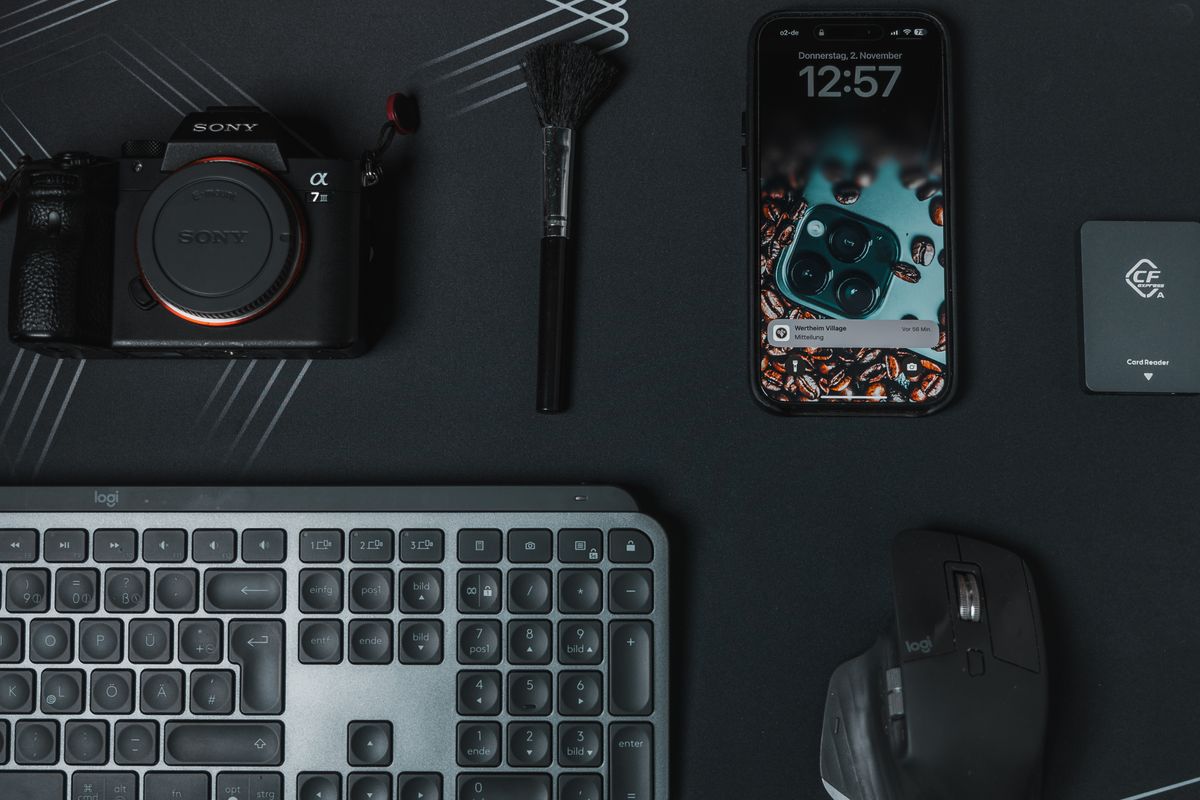
Photo by Masood Aslami on Pexels
| Device Category | Avg. Battery Size (mAh) | 72-Hr Target Recharges | Net Reserve Required (mAh) | 42,800 mAh Pack Share |
| --- | --- | --- | --- | --- |
| Standard Smartphone (iPhone 14/15, Galaxy S23) | 3,200 mAh | 2.5 cycles per phone | 8,000 mAh per device | 23.3% capacity per phone |
| Large Smartphone / Pro Max | 4,300 mAh | 2.0 cycles per phone | 8,600 mAh per device | 25.1% capacity per phone |
| Compact Tablet / E-Reader | 5,100 mAh | 1.5 cycles per tablet | 7,650 mAh per device | 22.3% capacity per tablet |
| Full-Size Tablet (iPad Air / Pro) | 7,600 mAh | 1.0 cycle per tablet | 7,600 mAh per device | 22.2% capacity per tablet |
| Emergency LED Flashlight / Radio | 1,200 mAh | 3.0 cycles per unit | 3,600 mAh per unit | 10.5% capacity per radio |
Calculations reflect typical battery capacities and realistic transfer yields based on a nominal 3.7V to 5V power conversion factor (80% net efficiency).
Visual Blueprint: Central Power Station vs. Scatter Charging Layout
Recommended Hardware for Multi-Device Emergency Power
For multi-day grid blackouts and demanding outdoor expeditions, the Solar Charge Kit (42,800 mAh) serves as an all-in-one central power hub. Featuring a high-density 42,800 mAh Li-polymer core, 15W high-speed multi-port delivery (5V/3A), 4 integrated charging cables (iOS, USB-C, Micro-USB), wireless charging, and dual super-bright LED emergency lighting, it supports charging up to 7 devices simultaneously.
Equip Your Household With The Solar Charge Kit Today
Family Emergency Power Budget Calculator Specification
Use this formula structure to determine your family's baseline energy requirements during grid failures.
72-Hour Family Emergency Power Allocation Timeline
- Hours 0–12 (Initial Outage & Lockdown) — Audit all family phones. Immediately lock down OS battery settings (Low Power Mode, 20% brightness, disable 5G). Designate the central charging hub and lock the 42,800 mAh solar power bank into standby.
- Hours 12–36 (Controlled Communication & First Draw) — Schedule hourly 5-minute communication check-in windows. Connect phones to the power hub only when charge levels hit 20%, bringing them back to 80% to optimize charging speed and battery lifespan.
- Hours 36–48 (Daylight Solar Replenishment) — Place the solar charge pack outdoors in unshaded, direct sunlight (elevated off hot surfaces). Top off the internal battery using solar harvesting while keeping communication devices shaded.
- Hours 48–72+ (Strict Essential-Only Preservation) — Disable all non-essential cellular radios. Limit power bank output exclusively to primary emergency contact phones and LED lighting. Maintain centralized batch charging.
Smartphones Power Preservation Cheat Sheet
- Enable Low Power Mode (iOS) or Battery Saver Mode (Android) immediately.
- Reduce screen brightness to 20% or lower and set Screen Timeout to 15 seconds.
- Disable Push Email, Bluetooth, Wi-Fi Searching, and Location Services for non-essential apps.
- Switch cellular network mode to LTE/3G if 5G searching is causing battery strain.
- Close background social media and streaming apps completely.
- Enable Dark Mode across system UI and OLED-compatible apps.
Seasoned Outdoor Guide Tip: Preventing Thermal Degradation During Solar Recharging
Lithium-polymer batteries are sensitive to ambient heat. Never lay your solar power bank directly on hot asphalt, metal vehicle hoods, or dark plastic outdoor tables in direct summer sun. High temperatures (above 113°F / 45°C) trigger thermal throttling, reducing charging efficiency by up to 40% and permanently degrading lithium cells.
Field Pro-Tip: Place the solar power bank on an elevated wooden deck chair, dry canvas tarp, or porous outdoor surface with active airflow underneath. Alternatively, place the battery bank in shaded ambient cover while extending its solar panel surface toward the sun.
Off-Grid Battery Pack Off-Season Maintenance Schedule
- Every 90 Days (Quarterly Check) — Unplug and inspect the unit. Discharge the battery to 50%–70% capacity for storage. Check all integrated cables for wear or fraying.
- 24–48 Hours Before Forecasted Storm — Plug the pack into an AC wall outlet via 5V/3A high-speed adapter to charge the 42,800 mAh Li-polymer cells to 100% full capacity.
- Post-Disaster / Post-Trip Cleanup — Wipe down IP67 waterproof rubber casing with a moist cloth. Ensure solar panel face is free of dust, dirt, or mud before dry storage at 60°F–70°F.
When power grids collapse during severe blizzards, hurricanes, or heatwaves, mobile phones become primary lifelines for NOAA weather alerts, emergency coordination, and family safety. However, managing energy reserves across a family requires precise calculation rather than guesswork.
The Math of Portable mAh Capacity
A 42,800 mAh rating represents the raw capacity of internal Li-polymer cell chemistry at standard nominal voltage (3.7V). Power output delivered to a smartphone occurs over a 5V USB bus, which involves energetic step-up conversion and minor heat dissipation. Standard conversion efficiency across premium portable power banks is 80%.
$$\text{Net Usable mAh} = 42,800 \times 0.80 = 34,240 \text{ mAh}$$
Dividing 34,240 net mAh across standard household devices yields real-world battery support numbers:
- iPhone 14 / 15 (3,279 mAh battery): ~10.4 full recharges
- Samsung Galaxy S23 (3,900 mAh battery): ~8.7 full recharges
- iPad Mini (5,124 mAh battery): ~6.6 full recharges
- Family of 4 (4 Phones): ~2.5 full charges per phone
Why 5V/3A High-Speed Multi-Port Delivery Matters
Standard power banks output basic 5V/1A (5 Watts) power, taking upwards of 3.5 hours to charge a modern smartphone. During a crisis, holding multiple devices tethered to a pack for extended hours creates physical congestion and unnecessary battery strain. With 5V/3A (15 Watts) fast-charging capabilities, power transfer times are reduced by more than 50%, enabling a typical smartphone to move from 20% to 80% charge in roughly 45 minutes.
Eliminating Cable Bottlenecks
In emergency evacuations or dark rooms during blackouts, searching for loose, compatible charging cords is a primary failure point. Damaged or thin gauge third-party cords can lose up to 30% of power to electrical resistance. Utilizing a solar power bank with built-in, reinforced charging cables (iOS Lightning, USB-C, Micro-USB) ensures maximum power throughput and eliminates cord clutter.
Solar Harvesting vs. Grid Pre-Charging
It is essential to understand the functional role of built-in solar panels on portable power packs. Compact single-panel solar arrays generate 1.5W to 2W under direct sunlight. While an ideal mechanism for continuous emergency topping off during extended off-grid isolation, pre-charging your battery bank to 100% from grid electricity prior to storm landfall ensures you begin any outage with a full energy reservoir.
Power Allocation Matrix Across Emergency Scenarios

Photo by Kawê Rodrigues on Pexels
| Emergency Scenario | Connected Household Devices | Total Baseline Energy Demands | 42,800 mAh Power Bank Performance | Recommended Power Distribution Protocol |
| --- | --- | --- | --- | --- |
| 24-Hour Suburban Grid Blackout | 4 Smartphones, 1 Tablet, 2 Flashlights | 18,500 net mAh required | Operates at 54% pack capacity (46% net reserve remains) | Allow moderate daily phone use; charge tablets for child entertainment/updates. |
| 72-Hour Severe Winter Storm Outage | 4 Smartphones, 2 E-Readers, 1 Weather Radio | 34,000 net mAh required | Operates at 99% pack capacity (Fully met by single pack) | Enforce Low Power Mode across all devices. Centralize charging into scheduled daily batches. |
| 5-Day Wilderness Expedition / Off-Grid Camping | 2 Smartphones, 1 GPS Unit, 1 Headlamp | 24,000 net mAh required + Solar Topping | Pack provides 100% primary power + 4,000 mAh solar gains | Deploy solar panel daily during daylight hours; maintain devices at 80% charge level. |
| 7-Day Extended Disaster Recovery Scenario | 4 Smartphones, 2 LED Lanterns, Emergency Radio | 48,000 net mAh required | Requires initial full charge + daylight solar topping cycles | Strict essential-only phone communication. Harness daily solar window to recover 10-15% daily capacity. |
Compare battery deployment strategies across different family blackout duration scenarios.
5 Critical Battery Management Errors During Power Outages
- 1. Running Devices to 0% Battery Before Recharging: Draining lithium-ion and lithium-polymer batteries to absolute zero increases internal stress. Recharge devices when they drop to 20% and stop at 80% for maximum efficiency.
- 2. Recharging Behind Low-E Window Glass: Modern thermal windows absorb up to 70% of solar radiation. Always place solar panels outdoors in open, direct sunlight for solar harvesting.
- 3. Leaving Cellular 5G Searching Active: When local cell towers lose grid power, phone radios increase output power searching for signals, draining phone batteries 3x faster. Switch network settings to LTE or 3G.
- 4. Storing Power Banks in Unconditioned Spaces: Storing Li-polymer units in hot attics or freezing garages accelerates permanent cell degradation. Store units at 60°F–70°F.
- 5. Dispersing Gear Across Multiple Rooms: Decentralized charging leads to lost cables, unmonitored charging, and accidental battery depletion. Maintain a single designated family hub table.
Further Reading on Family Disaster Preparedness
- Best Multi-Device Solar Chargers for Family Disaster Preparedness
- Troubleshooting Emergency Recharging: How to Keep Your Solar Power Bank Topped Off During Long Blackouts
- Solar Power Bank vs. Standard Portable Charger: Which Is Best for Extended Grid Outages?
- Family Disaster Readiness FAQ: Essential Mobile Power Planning Before the Storm Hits
Frequently Asked Questions
Top Equipment for Home & Trail Readiness
Solar Charge Kit (42,800 mAh Pack)
- Battery Capacity: 42,800 mAh Premium Li-polymer Core
- Output Ports: 4 Ports (USB-A Output, USB-C Input/Output, iOS Input) + Wireless Charging Pad
- Integrated Cables: Built-in iOS, USB-C, and Micro-USB cables
- Fast Charging: 15W High-Speed Output (5V/3A)
- Durability: Waterproof, Shockproof, Dust-proof IP67-rated Casing
- Emergency Tools: Dual Super Bright LED Flashlights with Strobe/SOS modes, Carabiner, and Thermometer
Immediate Action Steps Before the Next Severe Weather Event
Your decision: Choose a high-capacity (40,000+ mAh) multi-port solar power bank as your family's central emergency power hub.
Do this next: Conduct a 15-minute family blackout drill: test all device cables, toggle emergency low-power settings, and store your solar charge kit in a central emergency binder location.
- Read next: Best Multi-Device Solar Chargers for Family Disaster Preparedness
- Read next: Troubleshooting Emergency Recharging: How to Keep Your Solar Power Bank Topped Off During Long Blackouts
Solar Charge Kit (42,800 mAh) with built-in cables and wireless charging pad.
Cover photo by Jessica Lewis 🦋 thepaintedsquare on Pexels.