High-Capacity Outdoor Li-Polymer Battery Care: Frequently Asked Questions
Safe use of a high-capacity outdoor Li-polymer solar charger is a temperature window, a dry hard surface, and an intact shell. Keep a 42800 mAh pack inside -10°C to 45°C (14°F to 113°F), charge it on a table or hung in air, and keep water out of the ports even though the design is waterproof, shockproof, and dust-proof. Do not puncture, crush, or open the pack. Dual LED lights, 15W output, and 7-device charging are normal loads when the pack is healthy and cool enough to hold.
Temperature is the first safety rule
Li-polymer cells do not like a dashboard, a black rock, or a frozen porch. The published operating range is -10°C to 45°C. Charging outside that window is how packs swell, shut down, or become a hazard. The thermometer on the unit is a reminder, not a laboratory instrument. If the shell is painful to hold, move it into shade and airflow.
Cold is less dramatic than heat and still matters. Output sags. A hiker who cooks the pack on a south face at noon and then stuffs it against a frozen bottle at night is doing two unsafe things in one day.
The guide to safely charging devices off-grid covers cable and device-side habits. This FAQ is the pack-side line: temperature, mechanical abuse, and water.
Where the pack may sit while it works
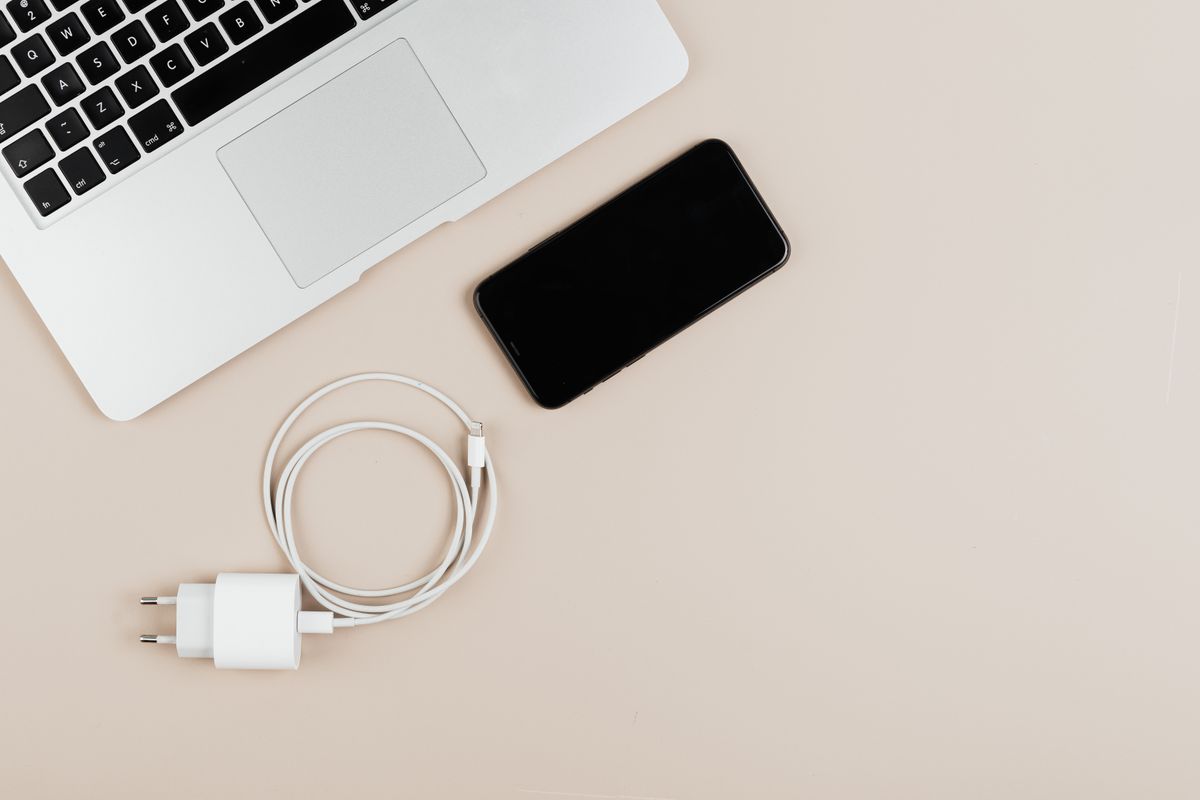
Photo by https://kaboompics.com/ on Pexels
Use a hard, dry, ventilated surface. A sleeping bag, a pile of clothes, or a tent floor is insulation that holds heat during 15W charging and 7-device output. Hang from the carabiner when solar is the input so air can move around the 1.2 lb body.
Waterproof, shockproof, and dust-proof construction is for rain, grit, and knocks. It is not a diving rating and this page will not invent one. Do not set the pack in a creek to cool it. Do not charge in standing floodwater. Dry the ports before USB-C or iOS input.
Built-in cables should not be pinched in a car door or a pack zipper. Damaged leads spark and heat. Wireless charging needs a dry pad. A wet phone on a wireless face is a skip.
Mechanical abuse and when to stop using the pack
Shockproof means trail knocks, not a hammer test. Do not puncture the shell. Do not open the 42800 mAh pack to inspect cells. Do not store it under heavy cargo that can crush it.
Stop using the unit if the shell is cracked, swollen, leaking, or smells sharp. Keep it away from children as a toy. Dual LED strobe is a signaling light, not a thing to stare into.
Wall charge in 8-12 hours on a known-good adapter. Solar full charge in 80-100 hours should happen in air, not under a windshield. Unattended charging on a bed is the indoor version of the sleeping-bag mistake.
Safe versus unsafe Li-polymer charger habits
| Situation | Safe | Unsafe | | --- | --- | --- | | Charge surface | Hard table or hung in air | Bed, bag, or pile of clothes | | Temperature | Inside -10°C to 45°C | Dashboard, black rock, frozen porch | | Water | Rain on a sealed shell, then dry ports | Creek cooling or floodwater charging | | Loads | 15W, 7 devices, dual LED on a healthy pack | Use after a crush, puncture, or swell | | Storage | Indoor shelf, 1.2 lb, no heavy stack | Under tools in a hot trunk |
What this safety FAQ will not claim
It will not invent a fire rating, an IP code, or a watt-hour airline number. It will not claim the pack is safe to modify. It will not treat 42800 mAh as a reason to ignore heat. High capacity is more stored energy in a small 1.2 lb shell, which is why the boring rules matter more, not less.
For feature context on lights and ports, see key features in an emergency solar power bank. Features are not a substitute for an intact, cool, dry pack.
Outdoor Li-polymer safety checklist
Photo by ClickerHappy on Pexels
- [ ] Charge and use only inside -10°C to 45°C.
- [ ] Park the pack on a hard, dry, ventilated surface.
- [ ] Keep water out of ports; do not creek-cool the pack.
- [ ] Inspect for crush, puncture, swell, or sharp smell.
- [ ] Coil built-in cables; skip pinched or frayed leads.
- [ ] Stop using a damaged 42800 mAh pack.
Frequently asked questions
Can a waterproof solar power bank be rinsed in a sink?
Do not soak it. Wipe the shell. Dry ports before any USB-C, iOS, or wireless session. Waterproof is rain and splash, not a wash cycle.
Is it safe to charge seven devices at once?
On a healthy pack, in the temperature window, on a hard surface, 7-device charging is a stated load. Give the pack air. Unplug if the shell is too hot to hold.
What should happen after a hard drop?
Inspect the shell and ports. If anything is cracked, loose, swollen, or odd-smelling, stop using the pack.
Can the pack charge in a closed car?
Closed cars often exceed 45°C. That is outside the operating range and is a heat-safety miss, not a convenience.
Are dual LED flashlights a fire risk like candles?
They are electric lights on the pack. They are still not for staring into, and the pack still needs a dry, cool place to sit while they run.
Should a swollen pack be punctured to vent?
No. Do not puncture or open Li-polymer cells. Stop using the pack and follow local rules for damaged lithium batteries.
Related reading
Pack-side safety sits next to off-grid charging safety, emergency feature lists, and how portable solar chargers work.
- how to safely charge devices off-grid with a solar battery pack
- key features in an emergency solar power bank
- how portable solar chargers work
What to do next
Inspect the pack for crush, swell, or grit in the ports, then charge it on a hard dry table inside the -10°C to 45°C window. Hang it in air if solar is the input, keep water out of the ports, and retire the unit if the shell is damaged. High capacity is not a reason to ignore heat or standing water.
Cover photo by Franklin Eduardo on Pexels.