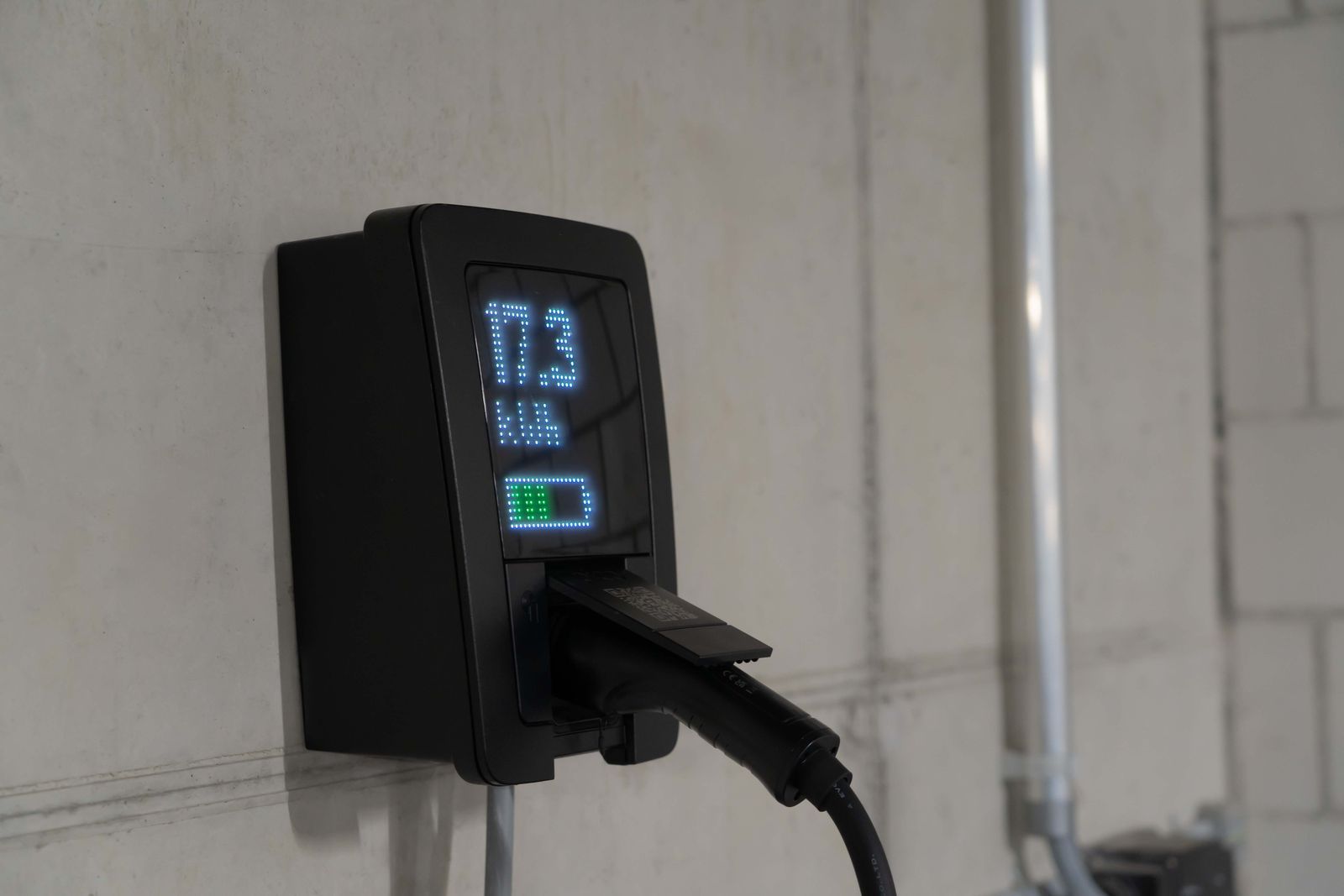
Troubleshooting Solar Power Banks: Field Guide to Fixing Charging, Overheating, and Power Drops
Is your solar power bank charging slowly, shutting off under load, or failing to register solar input? These failures are almost always caused by thermal throttling when ambient temperatures exceed 113°F (45°C) or voltage sag from exceeding the 5V/3A shared power budget across multiple ports. Move the power bank body into full shade while exposing the solar panel, unplug non-essential devices, and perform a 5-second power button reset to restore full fast-charging performance.
Off-Grid Power Fault Diagnostics
- Is the power bank output shutting off completely when devices are connected? → Yes: Check total device current draw. If > 3.0A (15W total), unplug extra devices and press power button for 5s to clear short-circuit/overcurrent protection.. No: Proceed to thermal and solar input check..
- Is the power bank casing hot to the touch or exposed to direct sun above 90°F (32°C)? → Yes: Internal BMS thermal sensor has engaged auto-throttling (>113°F/45°C). Move the battery casing into deep shade while keeping panels exposed.. No: Proceed to cable and moisture check..
- Are devices charging at less than 0.5A trickle speed despite high battery indicator? → Yes: Inspect built-in cable tips and ports for dirt, oxidation, or trail moisture. Blow clear with dry air and clean contact pins.. No: Battery cell requires full AC recalibration cycle upon return to grid..
Field Troubleshooting Matrix: Primary Failure Modes

Photo by Towfiqu barbhuiya on Pexels
| Failure Mode / Symptom | Hardware Root Cause | Immediate Field Fix | Prevention Strategy |
| --- | --- | --- | --- |
| Power bank cuts off immediately after plugging in 4+ devices | Exceeded 5V/3A (15W) total shared circuit power budget, triggering IC over-current protection. | Unplug all lines. Hold power button for 5 seconds to reset safety IC. Reconnect high-priority device first. | Stagger high-draw devices (smartphones, tablets) instead of powering 7 items simultaneously. |
| Solar LED light is green, but battery capacity percentage does not increase | Thermal throttling triggered by battery casing surface temp exceeding 113°F (45°C), blocking intake. | Elevate power bank body off hot ground into complete shade using built-in carabiner; keep solar panel in sun. | Never lay the dark battery body flat on hot rocks, asphalt, or vehicle dashboards. |
| Built-in iOS or USB-C cable fails to charge connected smartphone | Micro-oxidation or damp air creating resistance across spring-loaded cable connector pins. | Wipe connector tip with clean dry micro-cloth. Ensure cable tail is fully seated in casing recess. | Keep port seals firmly closed when navigating high-humidity, mist, or rain environments. |
| Wireless charging pad drops connection every few minutes | Thermal buildup from induction coils combined with phone case thickness > 4mm causing heat trip. | Remove phone protective case. Align phone coil directly over center logo in shaded ambient air. | Use wired output during peak mid-day outdoor temperatures to minimize induction heat loss. |
| Dual LED flashlights flicker or turn off unexpectedly | Li-Polymer cell voltage drops below safety threshold under heavy discharge load. | Disconnect all output charging cables and allow battery pack voltage to stabilize for 2 minutes. | Reserve flashlight operation for times when device charging loads are disconnected. |
Identify your specific trail failure mode below to understand the hardware-level root cause and execute the recommended field fix instantly.
Recommended Backcountry Power Solution: Solar Charge Kit Pack
When off-grid power failure isn't an option, gear reliability is everything. The Solar Charge Kit Pack is purpose-built to eliminate common trail charging failures. Featuring a massive 42800 mAh Li-polymer battery core, an integrated 5V/3A high-speed bus, 4 built-in charging cables, wireless induction, dual emergency LED flashlights, and rugged IP67-rated waterproof, shockproof, and dust-proof armor, it powers up to 7 devices simultaneously off-grid.
Ready to ensure your family never runs out of emergency power in the wild? Explore the complete Solar Charge Kit Pack today.
Guide's Field Tip: Mitigating Solar Thermal Throttling
A common mistake trail crews make is laying high-capacity solar power banks flat on hot granite or dirt tables while solar harvesting. Dark rubberized battery casings absorb radiant ground heat, easily pushing internal Li-Polymer cells past their 113°F (45°C) thermal safety limit. When this happens, the internal battery management system (BMS) automatically locks out charging to prevent cell swelling.
The Solution: Use the included carabiner to suspend the power bank from a tree branch, tent pole, or backpack loop. Ensure the solar panel faces direct sunlight while the main battery casing rests in the shade cast by your gear. This simple airflow gap keeps internal temperatures 15–20°F cooler, maintaining steady solar absorption without heat locks.
Multi-Device Load Allocation Decision Tree
- Are primary survival devices (GPS, Satellite Messenger, Smartphone) below 20% battery? → Yes: Connect ONLY primary survival devices using built-in fast-charge cables. Fast charge delivers full 5V/3A output to single lines.. No: Proceed to group maintenance charging.
- Are you attempting to charge more than 3 high-draw devices (phones/tablets) at once? → Yes: Shared bus will divide 3A current into ~0.4A per port. Expect longer charge times. Switch to staggered batch charging.. No: Connect up to 3 devices across USB-C, built-in cables, and wireless pad for balanced 1A trickle charge per port.
Core Diagnostic Principles at a Glance
Solar Charge Kit Hardware Power Output & Input Specifications Matrix
| Interface / Component | Input / Output Specs | Shared Bus Allocation | Environmental Rating |
| --- | --- | --- | --- |
| Li-Polymer Battery Core | 42800 mAh / 158.36 Wh | Internal Master Reserve | Operating Temp: -10°C to 45°C |
| Built-In Cables (iOS, USB-C, Micro) | 5V / 2.1A Max per line | Shared 15W Max total bus | Waterproof rubber tethering |
| USB-C Input / Output Port | 5V / 3.0A High-Speed Fast Charge | Prioritized 15W Max rail | Recharge via wall adapter or power delivery |
| USB-A Output Port | 5V / 3.0A Max | Shared 15W Max total bus | Dust-proof sealed gasket |
| Wireless Charging Pad | 5V / 1.0A (5W) Induction | Dedicated induction sub-circuit | Integrated anti-slip surface |
| Emergency Solar Panel | 5V / 300mA Peak Irradiance | Trickle recharge input | UV & scratch-resistant monocrystalline |
| Dual Flashlights | 3W Super-Bright LED (Steady/Strobe) | Low-draw internal circuit | Waterproof lens assembly |
Understanding the precise electronic parameters of your power bank prevents accidental circuit overload and clarifies total output limits.
Heavy-Duty Solar Power Solutions for Groups & Families
Off-Grid Power Bank Maintenance & Calibration Schedule
- Before Every Trip (Home Base) — Fully charge unit via AC wall outlet to 100%. Perform a visual check on built-in cable jackets and ensure port rubber gaskets are free of lint.
- During Outdoor Use (On Trail) — Keep port cover firmly sealed when not charging. Hang unit in shaded airflow areas when harvesting solar energy. Avoid leaving unit inside hot closed tents.
- After Every Trip (Post-Trail) — Wipe outer armor with a damp cloth. Dry port openings completely. Discharge unit to ~50% if storing for longer than 30 days.
- Every 3 Months (Long Storage) — Perform full cycle calibration: charge fully via AC adapter, discharge to 20% using a phone or light load, then recharge to 50–70% for safe storage.
Built-In Cables vs. Standalone External Cables in High-Humidity Field Conditions
Photo by Jaqor Q.I. on Pexels
| Performance Attribute | Integrated Built-In Cables | Standalone External Cables |
| --- | --- | --- |
| Line Resistance / Voltage Drop | Low (Short factory-calibrated length) | Variable (High drop on long/cheap cords) |
| Port Oxidation Risk | Minimal (Sealed interior solder joints) | High (Exposed female socket contacts) |
| Moisture Vulnerability | High water resistance when stowed | Exposed plugs trap rain and morning dew |
| Field Packability | Zero extra bulk; permanently tethered | Requires separate organizer pouches; easily lost |
| Multi-Device Support | Simultaneous iOS, USB-C & Micro-USB | Limited by number of loose cords packed |
Compare performance, resistance, and field durability between tethered built-in lines and loose third-party charging cables.
5-Step Trail Reset Procedure for Unresponsive Power Banks
If your power bank stops responding, refuses to output power, or displays erratic LED lights, follow this hardware reset procedure.
4 Common Field Mistakes That Drain Power Bank Efficiency
Avoid these standard trail mistakes to maintain full 42800 mAh energy storage and fast charging speeds.
Frequently Asked Questions
Technical answers to common environmental and hardware operation questions.
Visual Architecture: 5V/3A Shared Power Distribution
Review how total electrical current splits when powering multiple trail devices simultaneously.
Action Plan for Trail Power Management
Your decision: Determine if your power bank requires a thermal cooldown, circuit reset, or staggered device charging strategy.
Do this next: Disconnect all devices, perform a 5-second power button reset, and suspend the power bank body in full shade while leaving solar panels angled toward the sun.
Related resource: Download our PDF Field Diagnostic Cheat Sheet for offline trail reference without cellular service.
For group camping with simultaneous multi-device power needs, equip your kit with the heavy-duty 42800 mAh Solar Charge Kit engineered with IP67 waterproofing and thermal protection.
Follow these final recommendations to keep your gear fully powered on every expedition.