Solar Charge Kit Integration in Emergency Power Strategies
 Priya RamanSenior Analyst
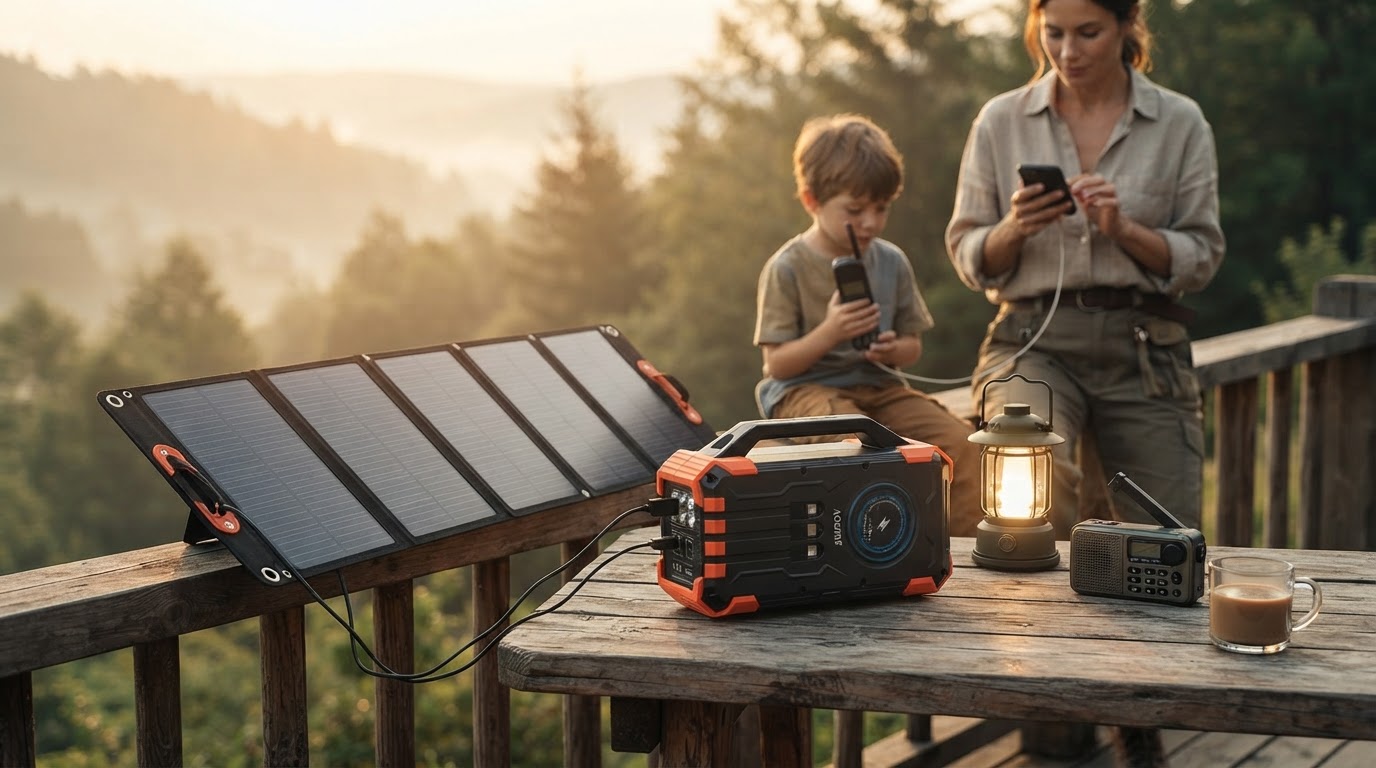
October 27, 2026 — Emergency preparedness experts are increasingly prioritizing modular charging systems to maintain communication during grid failures. Recent analysis suggests that combining foldable solar panels with high-capacity storage units, like the Solar Charge Kit, provides a resilient energy buffer when traditional infrastructure is compromised.
To evaluate these systems, we must apply a structured framework. Think of it as a matrix of energy density and environmental durability. Two axes matter here: the capacity to sustain multiple devices over time and the physical resilience to withstand harsh conditions. When these dimensions intersect, we find the optimal balance for long-term survival scenarios.
According to Naturalnews.com, a foldable solar panel with kickstands is a critical survival tool because it allows users to charge radios and phones to stay informed when electrical lines go down. The source emphasizes that these tools are essential for maintaining communication with family during SHTF (shit hits the fan) events. However, the solar panel is only half of the equation; the energy must be stored to be useful after sunset.
The Solar Charge Kit addresses this storage requirement with a 42800 mAh premium Li-polymer battery. This large capacity allows for the simultaneous support of seven devices through its four ports and wireless charging capabilities. In a scenario where multiple team members need to maintain off-grid communication, having integrated cables (iOS, USB-A, and USB-C) ensures compatibility across various hardware generations without searching for loose wires.
Durability remains a non-negotiable factor in emergency planning. The hardware is designed to be waterproof, shockproof, and dust-proof, aligning with the rugged requirements for outdoor survival gear. When the grid fails, the dual super-bright LED lights integrated into the unit serve as a primary illumination source for home emergencies or night-time navigation.
Expert tip: When deploying solar assets, prioritize the charging of high-drain devices during peak sunlight hours while using the power bank as a steady buffer for low-voltage electronics. This prevents deep discharge cycles on your primary battery and extends the lifespan of the Li-polymer cells.
The decision rule: If your power requirements exceed three device-cycles per day in a volatile environment, a high-capacity storage unit must be paired with a foldable solar collector to ensure continuity. Once you see it this way, the necessity of a 42800 mAh buffer becomes clear for maintaining a functional communications loop.
Reliable power storage is the cornerstone of any modern emergency kit. Shop Solar Charge Kit.