A Four-Point Framework for Your Solar Charge Kit
 Jordan HaleStaff Writer
November 19, 2026—The shift toward silent, emission-free power in the backcountry has reached a tipping point, with the Solar Charge Kit becoming a staple for those who prefer the hum of the forest over a gas generator.
I remember the silence of my last trip to the high desert, where the only sound was the slight metallic click of a carabiner against a backpack. Modern outdoor experiences are increasingly defined by our ability to remain connected and safe without tethering ourselves to a paved campsite. According to resources like Kit.com, creators and digital nomads are moving their workspaces into the wild, necessitating reliable energy solutions that don't weigh down a pack. This movement toward remote autonomy has transformed how we view portable energy, turning a luxury into a fundamental piece of safety equipment.
The 4 Essential Camping Metrics
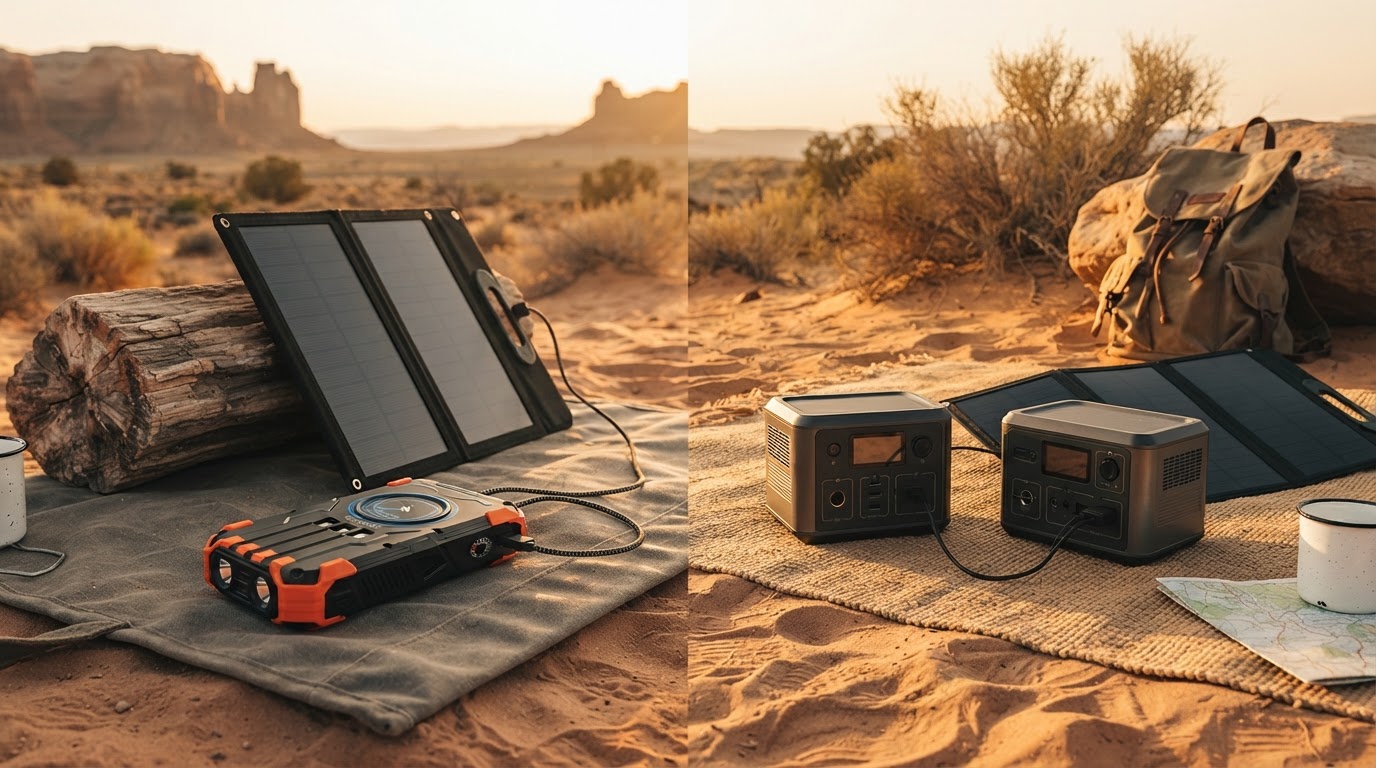
The first thing I noticed was how much the weight of a power system dictates the perimeter of an adventure. When evaluating a Solar Charge Kit for camping, the framework for success rests on four pillars: portability, conversion efficiency, weather resistance, and modularity. Portability isn't just about total pounds; it is about the folded footprint and whether the integrated handles allow for a one-handed carry while you’re wrangling a tent. Conversion efficiency determines how quickly you can recover from a cloudy morning, ensuring that even a few hours of peak sun can top off a battery bank for a night of lighting and navigation. It turns out that weather resistance is equally vital, as mountain weather rarely follows the forecast. A kit must withstand the sudden dust storms of the plains or the unexpected drizzle of a coastal morning without short-circuiting the internal controller. Finally, modularity allows for growth. A system that can link to additional panels or integrate with different battery types provides a longevity that single-piece units lack. Whether you are setting up a solar power kit for shed storage or maintaining a basecamp, these metrics ensure the hardware survives the environment it was designed to power.
Expert tip: Always check the IP (Ingress Protection) rating on your charge controller; for camping, look for a rating of at least IP65 to ensure that wind-blown dust and low-pressure water splashes won't interrupt your power flow during a storm.
Choosing the right equipment depends heavily on your vehicle and destination. While a portable solar panel kit for rv might prioritize higher wattage for appliances, a setup for a backpacker focuses on the grams-to-watt ratio. If you are choosing a solar charge kit for remote camping, remember that the angle of the sun changes throughout the day, and integrated kickstands are worth their weight in gold. I keep coming back to the idea that the best gear is the gear you forget is even there, quietly doing its job while you watch the sunset. For more specialized needs, you might also consider a portable solar panel kit for camping that features high-durability ETFE coatings.
Reliable power is the silent partner in every successful modern expedition, providing the peace of mind needed to wander further.
Sources