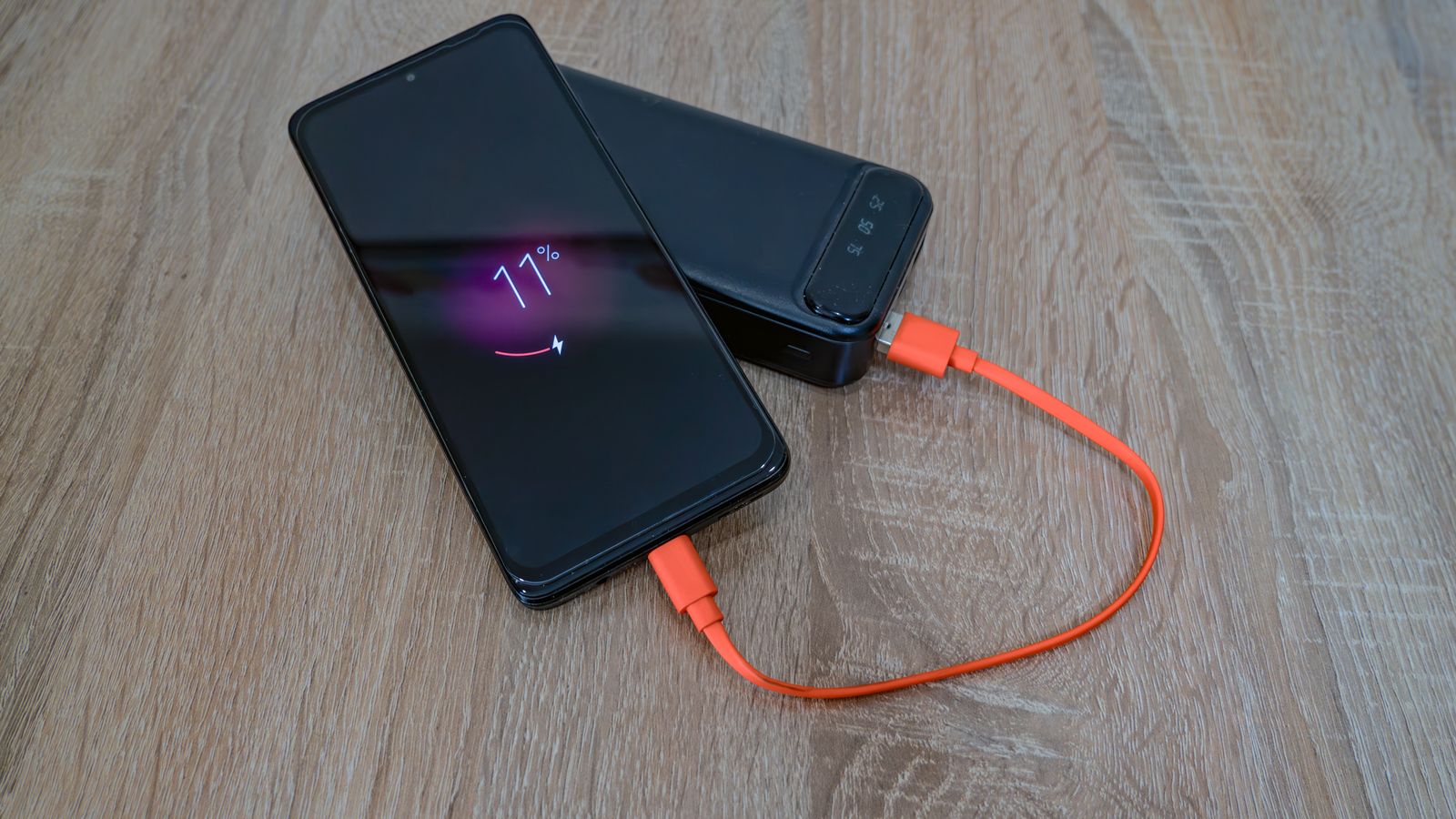
Solar Power Bank Charging Efficiency: Multi-Device Field Guide
Is your multi-device off-grid setup charging at a crawl or shutting down in direct sunlight? To restore maximum efficiency, cap active charging to 3 high-draw devices, route primary electronics through built-in USB-C cables, disable wireless charging in high ambient heat, and place the battery unit in full shade.
Visualizing Multi-Device Power Bottlenecks
- Are 3 or more devices connected simultaneously? → Yes: Check if power bank feels hot (>104°F / 40°C). No: Verify cable connection quality and device intake rating.
- Is the power bank exposed to direct sunlight or ambient heat >90°F? → Yes: Move battery pack to full shade under tent fly or pack; internal thermal circuit is throttling amperage.. No: Is wireless charging active?.
- Is wireless charging pad in active use? → Yes: Disconnect wireless pad. Inductive heat triggers secondary thermal reduction, losing 20-30% energy as ambient waste.. No: Total amperage exceeds 3.0A bus limit. Unplug low-priority devices and batch-charge smartphones sequentially..
Field Diagnostic Matrix: Multi-Device Failure Modes
| Failure Mode / Symptom | Root Cause | Immediate Field Fix |
| --- | --- | --- |
| All connected devices charging below 0.5A (slow crawl) | Total current demand exceeds the 5V/3A (15W) shared bus cap across ports. | Disconnect all ports except the built-in USB-C or iOS cable powering your primary navigation phone. |
| Power bank status LEDs flashing rapidly; output cuts off completely | Li-polymer battery core exceeded thermal limit (>113°F / 45°C) from direct sun or overload. | Move battery pack into dense shade immediately. Disconnect all cables and let cool for 15 minutes. |
| Smartphone percentage drops while resting on wireless pad outdoors | Inductive coils generate excess heat, triggering phone thermal defense to pause charge while pad continues consuming battery. | Switch from wireless induction to built-in hardwired cables. Rest phone off warm ground in shade. |
| Solar panel indicator active, but battery pack percentage remains unchanged | Solar panel input (approx. 200-300mA under peak sun) is offset by internal self-consumption or high heat. | Treat solar panel as an emergency top-off. Recharge primary capacity via AC adapter before leaving home. |
Identify your specific off-grid power failure mode below to apply immediate field fixes before your gear runs completely dark.
Pro Tip: Thermal Shading & Cable Prioritization Rules
A common trail mistake is leaving the entire power bank baking on a hot rock in full sunlight while charging phones. Sunlight belongs on the solar panel—never on the battery pack core.
The Shaded Bus Rule
Always place your high-capacity 42800 mAh power bank under a backpack, tent fly, or shade tarp. Li-polymer battery chemistry experiences severe resistance build-up when internal cell temperatures exceed 95°F (35°C). The internal battery management system (BMS) automatically throttles output wattage to prevent thermal runaway. Keeping the power pack cool restores full 5V/3A throughput across all built-in lines.Decision Tree: How Should You Route Power Right Now?
- What is your immediate gear power priority? → Yes: Critical Navigation Gear (GPS / Primary Phone). No: Group Convenience (Multiple Phones, Cameras, Headlamps)
- Is ambient outdoor temperature above 85°F (29°C)? → Yes: Plug single phone into built-in USB-C or iOS cable. Keep phone and power bank in full shade. Do NOT use wireless pad.. No: Connect up to 2 smartphones via built-in cables for optimized 15W dual fast charging.
- Are you attempting to charge 4 or more devices at the campsite? → Yes: Stagger connections: Charge 2 high-draw phones first to 80%, then switch to low-draw gear (headlamps, satellite communicators).. No: Use built-in USB-C, iOS, and Micro-USB cables simultaneously while avoiding wireless charging.
Mid-Article Action Plan & Equipment Setup
Your decision: Decide whether your immediate priority is emergency top-offs for all devices or maximum speed charging for essential navigation gear.
Do this next: Disconnect wireless devices, move the battery pack into full shade, and connect your two most critical electronics using the built-in USB-C and iOS cables.
Related resource: Campsite Power Distribution & Group Gear Management Protocol
Solar Charge Kit 42800 mAh Rugged Pack
If your campsite setup is currently experiencing slow charging, pause all active loads and execute this quick field reset protocol.
Essential Rules for Maximum Power Output
Keep these five golden rules in mind whenever managing off-grid battery reserves for group trips or backcountry expeditions.
Power Bank Output & Port Distribution Specs
| Interface / Port | Output Rating | Max Wattage | Power Efficiency | Best Trail Application |
| --- | --- | --- | --- | --- |
| Built-in USB-C Cable | 5V / 3A | 15W | 88% - 92% | Modern Android phones, mirrorless camera batteries, drones |
| Built-in iOS Cable | 5V / 2.1A | 10.5W | 88% - 92% | iPhones, iPads, AirPods charging cases |
| Built-in Micro-USB Cable | 5V / 2A | 10W | 85% - 90% | Rechargeable headlamps, GPS units, older satellite messengers |
| USB-A Output Port | 5V / 3A (Shared) | 15W Max | 85% - 88% | Secondary custom cables, camp lanterns, USB fans |
| Qi Wireless Charging Pad | 5V / 1A | 5W | 68% - 72% | Emergency backup charging when cables are wet or damaged |
Understanding port specifications ensures you pair each piece of trail gear with its ideal output interface.
Gear Highlight: High-Capacity 42800 mAh Solar Charge Kit
Engineered specifically for outdoor enthusiasts who cannot afford power failures in remote terrain.
Off-Grid Battery & Panel Maintenance Cadence
- Before Every Trip — Full AC wall recharge to 100%. Inspect built-in cables for sand or moisture. Test dual LED flashlights.
- Daily on the Trail — Wipe solar panel glass with a micro-fiber cloth to remove dust/pollen. Keep main battery pack stowed in pack shade during high noon.
- Post-Trip Storage — Store at 50%-70% charge in a cool, dry location (60°F - 70°F). Avoid leaving in garage or vehicle trunk.
- Every 3 Months (Idle) — Perform a full discharge and recharge cycle to calibrate internal battery management system (BMS) fuel gauge.
Cable Connections vs. Wireless Efficiency Off-Grid

Photo by Tranmautritam on Pexels
| Feature / Metric | Built-In USB-C / iOS Cables | Standard External USB-A Port | 5W Qi Wireless Pad |
| --- | --- | --- | --- |
| Energy Transfer Efficiency | High (~90%) | Moderate to High (~85%) | Low (~70%) |
| Heat Generation | Minimal | Low | High (Inductive dissipation) |
| Impact of Direct Sunlight | Low resistance increase | Low resistance increase | Triggers phone thermal pause |
| Charging Speed (0-80%) | Fastest (5V/3A 15W Max) | Fast (5V/2.4A - 3A) | Slow (5V/1A 5W Max) |
| Trail Usability | Best: No extra cords required | Good: Requires carrying extra cord | Fair: Requires static flat surface |
Choosing the right physical connection method directly impacts how many device recharges you extract from a single 42800 mAh reservoir.
Step-by-Step Protocol to Reset & Optimize Power Output
Follow this step-by-step restoration routine whenever charging speed drops or output cuts out unexpectedly.
Critical Mistakes That Waste Stored Battery Energy
Avoid these common mistakes that deplete your power bank capacity and reduce overall cell lifespan off-grid.
Frequently Asked Questions
Answers to critical multi-device power management questions from seasoned hikers and campers.
Related Field Guides & Technical Resources
- Solar Power Bank Emergency Charging Troubleshooting & Field Guide
- How Efficient Are Portable Solar Power Banks? Real Math & Field Guide
- Troubleshooting Solar Power Banks: Field Guide to Fixing Charging, Overheating, and Power Drops
Final Summary & Next Actions for Trail Readiness
Your decision: Ready to eliminate off-grid battery anxiety for your next family camping trip or wilderness trek?
Do this next: Equip your wilderness kit with a high-capacity, ruggedized solar power pack featuring built-in cables and multi-port charging capabilities.
Related resource: https://solarchargekit.com
Solar Charge Kit 42800 mAh Rugged Pack
Mastering off-grid power management comes down to thermal control and smart port allocation. Keep your battery pack shaded, prioritize direct cable connections, and batch-charge your gear to keep your entire camp connected and safe.
Cover photo by Eleonora Vokueva on Pexels.