Solar Power Bank vs Standard Power Bank for Camping
Choosing between a standard power bank and a dedicated solar charger depends on trip duration, environmental conditions, and device demands. For complete power strategies, review the main guide.
Key Differences Between Solar and Standard Battery Packs
Standard power banks function strictly as energy storage vaults. Once their internal cells drain, they become dead weight until you return to an electrical wall outlet. Solar power banks integrate emergency photovoltaic collectors that generate energy directly in remote locations.
Capacity and Recharging Flexibility
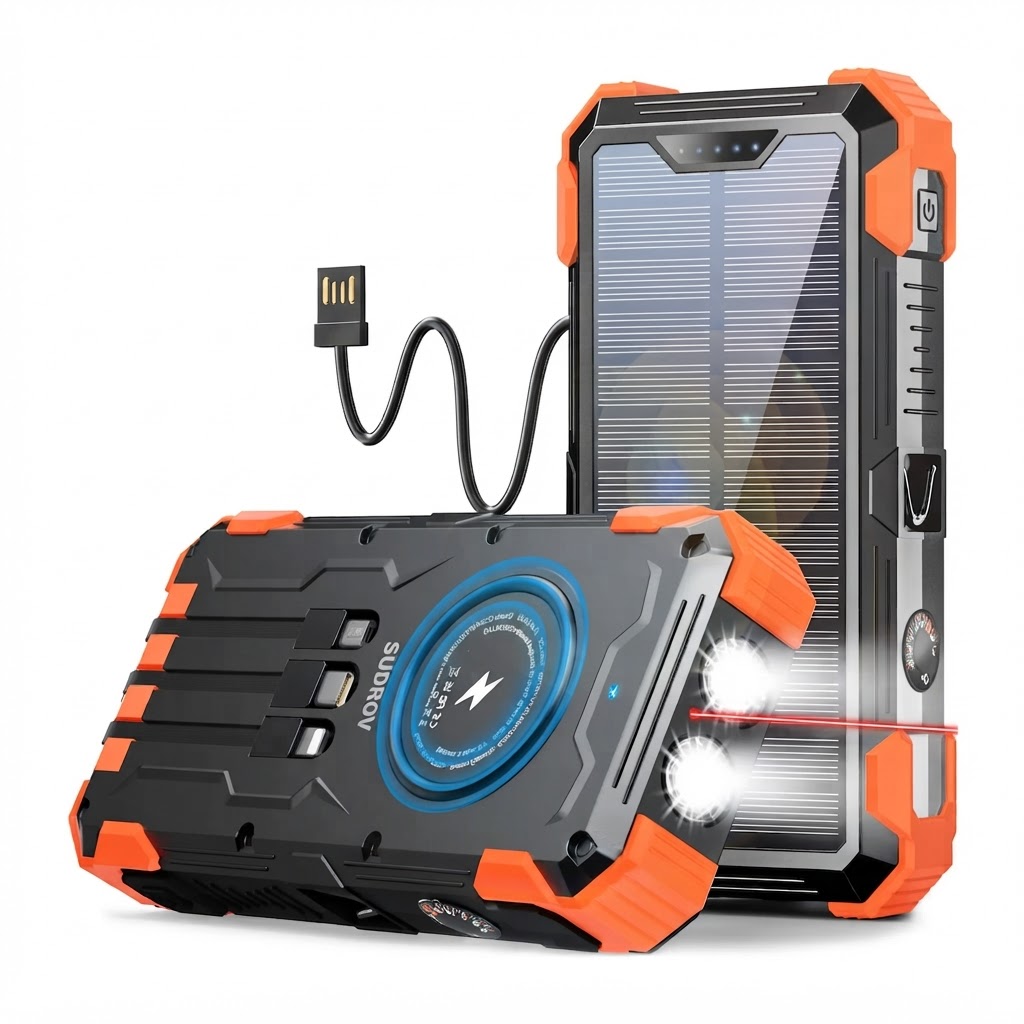
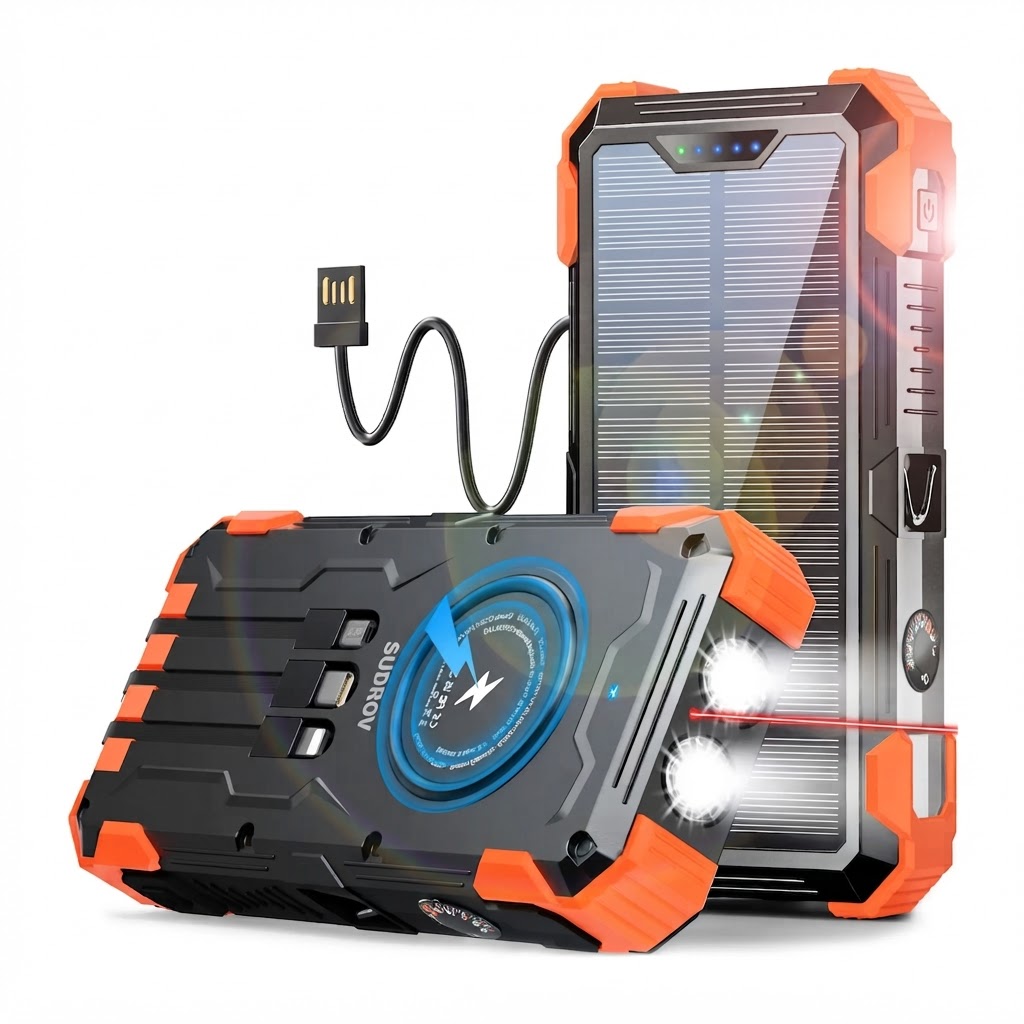
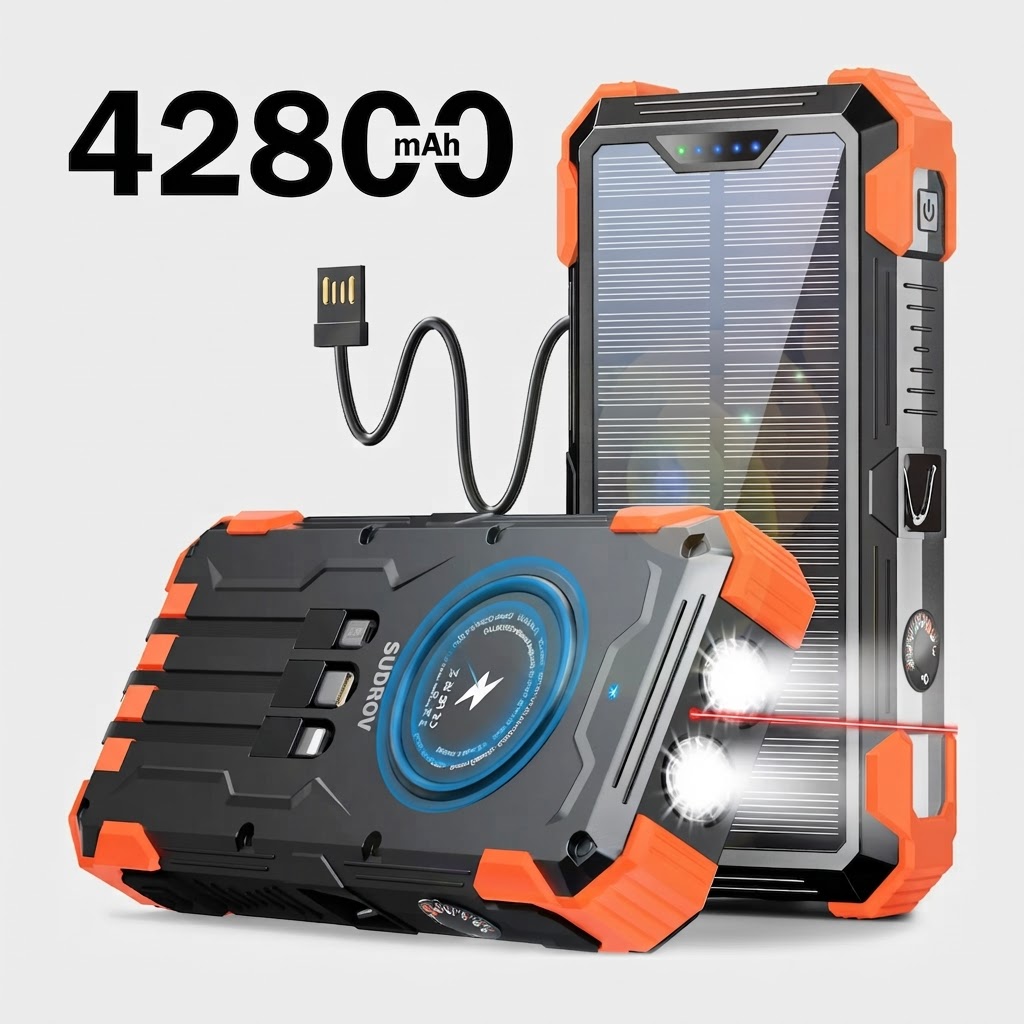
Standard options often offer small capacities designed for single phone charges. Advanced outdoor units like the Solar Charge Kit provide a massive 42800 mAh premium Li-polymer battery, equipped with 3 Input options (Solar, USB-C, iOS). While standard wall charging takes 8-12 hours before leaving home, having a solar panel for emergency recharging guarantees ongoing power security off-grid.
Outdoor Ruggedness and Utility
Standard consumer power banks possess fragile plastic enclosures sensitive to drops, water, and debris. Purpose-built outdoor options deliver a waterproof, shockproof, and dust-proof design engineered for harsh backcountry conditions. Additionally, multi-functional tools feature bonus survival utilities like dual super bright LED flashlights with strobe settings and an included carabiner and thermometer.Verdict: Which Battery Pack Fits Your Trail Needs?
For weekend trips or extended wilderness treks, a rugged solar battery bank provides superior security, multi-device versatility, and emergency energy survival capabilities.Read the full guide: How to Keep Phone Charged While Camping: The Ultimate Off-Grid Power Guide