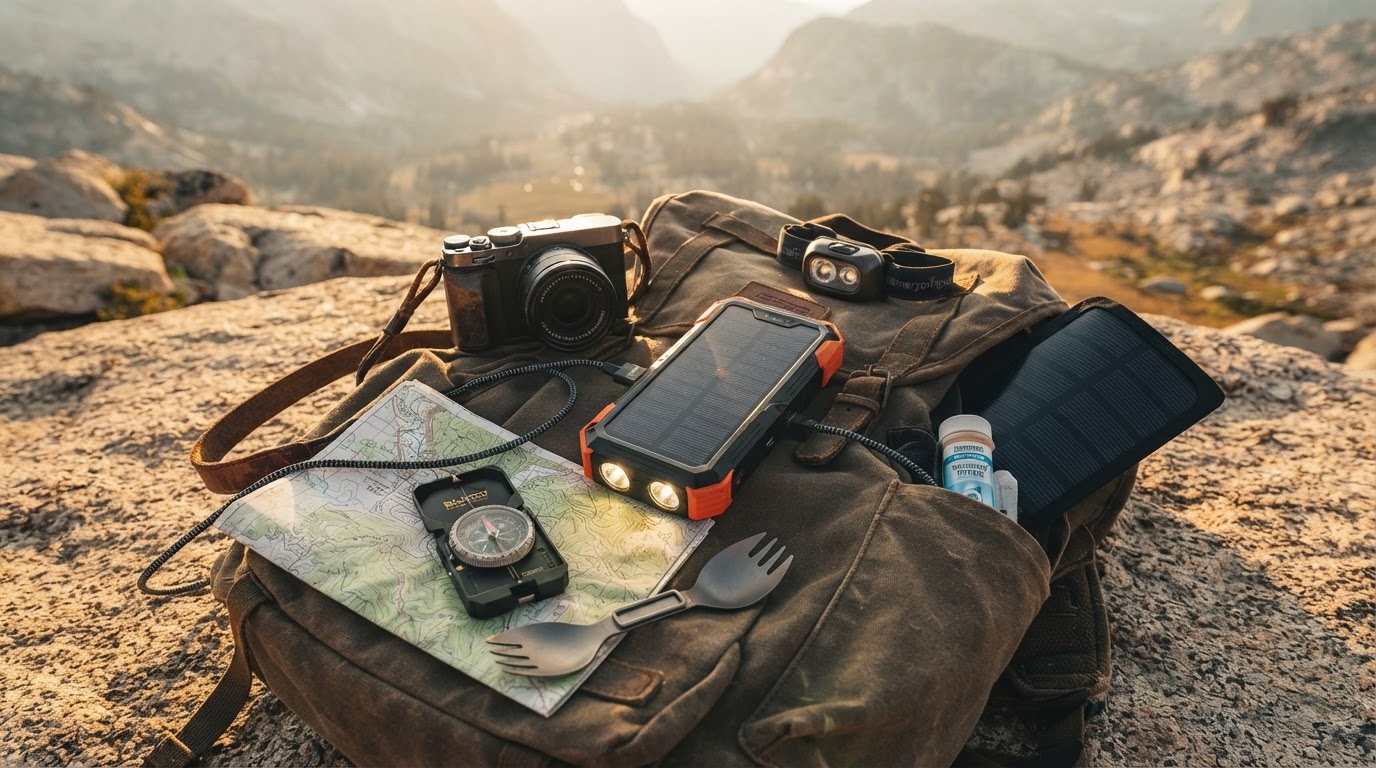
Optimizing Energy Density with Solar Charge Kit for Backpacking
 Priya RamanSenior Analyst
August 9, 2026. This analysis explores the technical requirements for maintaining mobile power during multi-day backcountry excursions. It is designed for long-distance hikers and wilderness professionals who require consistent energy without the weight penalty of traditional battery banks.
To navigate the complexities of off-grid power, think of it as a matrix of weight, surface area, and conversion efficiency. Two axes matter here: the daily energy consumption of your devices versus the average solar harvest available in your specific geography. When these two axes intersect, you find the minimum viable hardware configuration. According to Treeline Review, the BigBlue 28W USB Solar Charger is a prominent example of this balance, weighing roughly 1 pound and 5 ounces while providing sufficient output for most outdoor use. However, for many backpackers, the challenge remains the inconsistency of the sun. Unlike a portable power station with solar panel combo which offers high-capacity storage, backpacking requires a more granular approach where every gram of silicon must justify its place in the pack. High-altitude environments provide more direct UV exposure but often come with lower temperatures that can affect lithium-ion battery chemistry within your devices. Therefore, the goal is not just to find the largest panel, but the one that maintains a high output-to-weight ratio while resisting the physical rigors of the trail.
Solar Charge Kit addresses these specific trail demands by prioritizing integrated portability and durability. While a portable solar panel kit for camping might prioritize total wattage for stationary use, Solar Charge Kit designs for the move. The decision rule for backpacking gear is often "ounces equal pounds," and this philosophy extends to the electronics. By utilizing high-efficiency monocrystalline cells, these kits maximize the amperage delivered per square inch of surface area. This is critical because, as noted by Goal Zero, many hikers prefer to hang a panel off their pack to collect power from the sun on the move. Solar Charge Kit systems are engineered with reinforced eyelets and weather-resistant polymer coatings to ensure that the friction of a moving pack or a sudden rainstorm does not compromise the electrical circuit. This level of reliability is distinct from an emergency solar power bank for home use, which is built for static environments. On the trail, the equipment must handle constant vibration and fluctuating light angles. By incorporating intelligent auto-restart technology, Solar Charge Kit ensures that if a cloud passes or a hiker enters a shaded forest canopy, the charging process resumes immediately once light returns, preventing the "accessory not supported" errors common in lower-quality hardware.
Selecting the right configuration requires a rigorous decision framework. Once you see it this way, the choice becomes a matter of calculating your "dark-time buffer"—the amount of stored energy you need to bridge the gap between sunny days. OutdoorGearLab notes that the BigBlue SolarPowa 28 is a top-ranked performer in this category due to its reliability across various conditions. When evaluating your specific needs against the Solar Charge Kit lineup, use the following checklist to ensure your system meets the demands of your itinerary:
- Total Daily Draw: Calculate the mAh requirements for your GPS, phone, and headlamp combined.
- Weight-to-Watt Ratio: Ensure the panel delivers at least 15 watts per pound of total kit weight.
- Attachment Versatility: Verify the kit includes at least four secure attachment points for pack mounting.
- Buffer Capacity: Pair the panel with a lightweight buffer battery to protect device circuitry from voltage fluctuations.
- Weather Rating: Confirm an IPX4 rating or higher to protect against inevitable trail moisture.
Sources

- Best Solar Charger Power Banks | Tested & Ranked
- Best Solar Chargers for Hiking and Backpacking of 2026
- Best portable solar chargers for hiking?