
Solar Power Banks vs Gas Generators for Emergency Outages
Selecting the right emergency backup system requires understanding the trade-offs between large fossil-fuel generators and compact portable power banks. Both serve essential functions during grid disruptions. For complete details on building a disaster preparedness kit, read the main guide.
Comparing Emergency Power Solutions
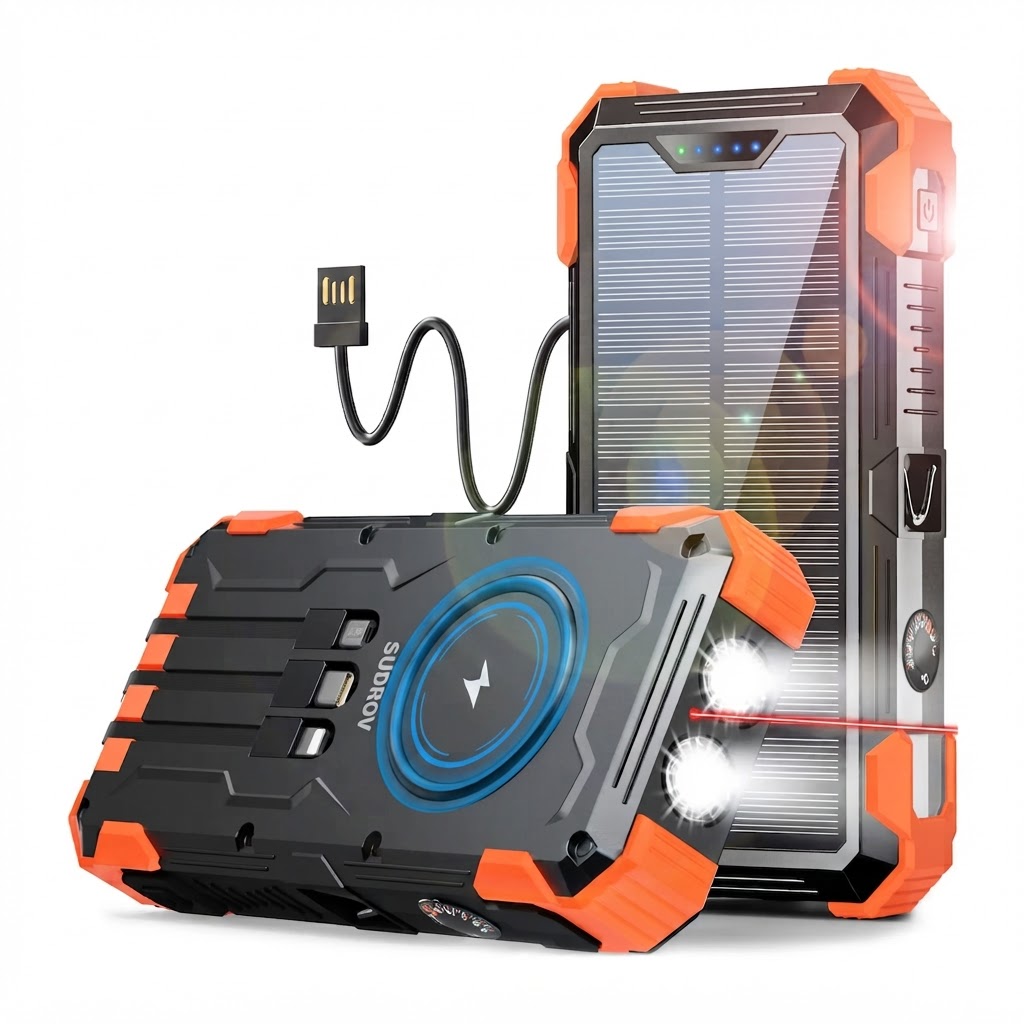
Gas generators deliver high electrical wattage capable of powering major household appliances like refrigerators and air conditioners. However, they require flammable fuel storage, generate loud engine noise, and produce dangerous carbon monoxide exhaust that mandates outdoor operation far from living quarters. In contrast, battery power banks operate completely silent, emit zero fumes, and can be safely used inside bedrooms or evacuation shelters.
Portability and Indoor Safety
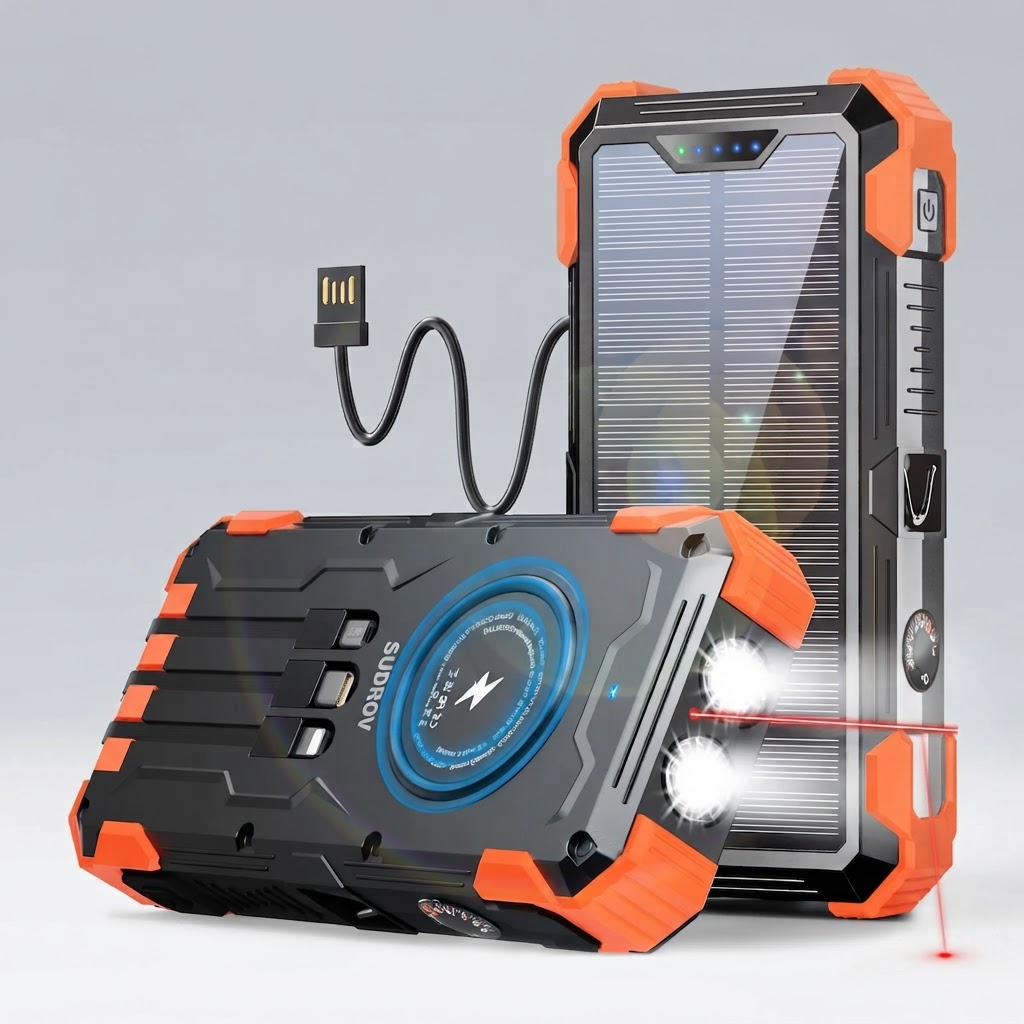
Portable solar power units offer unmatched mobility. A compact power bank featuring Built-in 4 charging cables (iOS, USB-C, Micro USB) can easily be stowed in a backpack or clipped to gear using an included Carabiner. Gas generators, weighing over 1.2 lbs pounds, cannot easily be transported on foot during sudden emergency evacuations.
Power Output and Convenience Factors
While gas generators require ongoing fuel purchases, solar power packs utilize clean, ambient sunlight. A high-capacity 42800 mAh premium Li-polymer battery charged before a storm provides instant energy access without pull-cords or fuel preparation. With features like 15 Watts Fast Charging and wireless charging capability, personal communication gear stays powered effortlessly. Additionally, solar banks double as multi-tools featuring Dual super bright LED flashlights with strobe settings, an emergency Thermometer, and rugged Waterproof, Shockproof, and Dust-proof design elements.
Read the full guide: Essential Gear for Emergency Power Outages: The Ultimate Backup Guide