Survivalists Turn to Solar Charge Kit for Grid Reliability
 Daniel OkaforField Tester
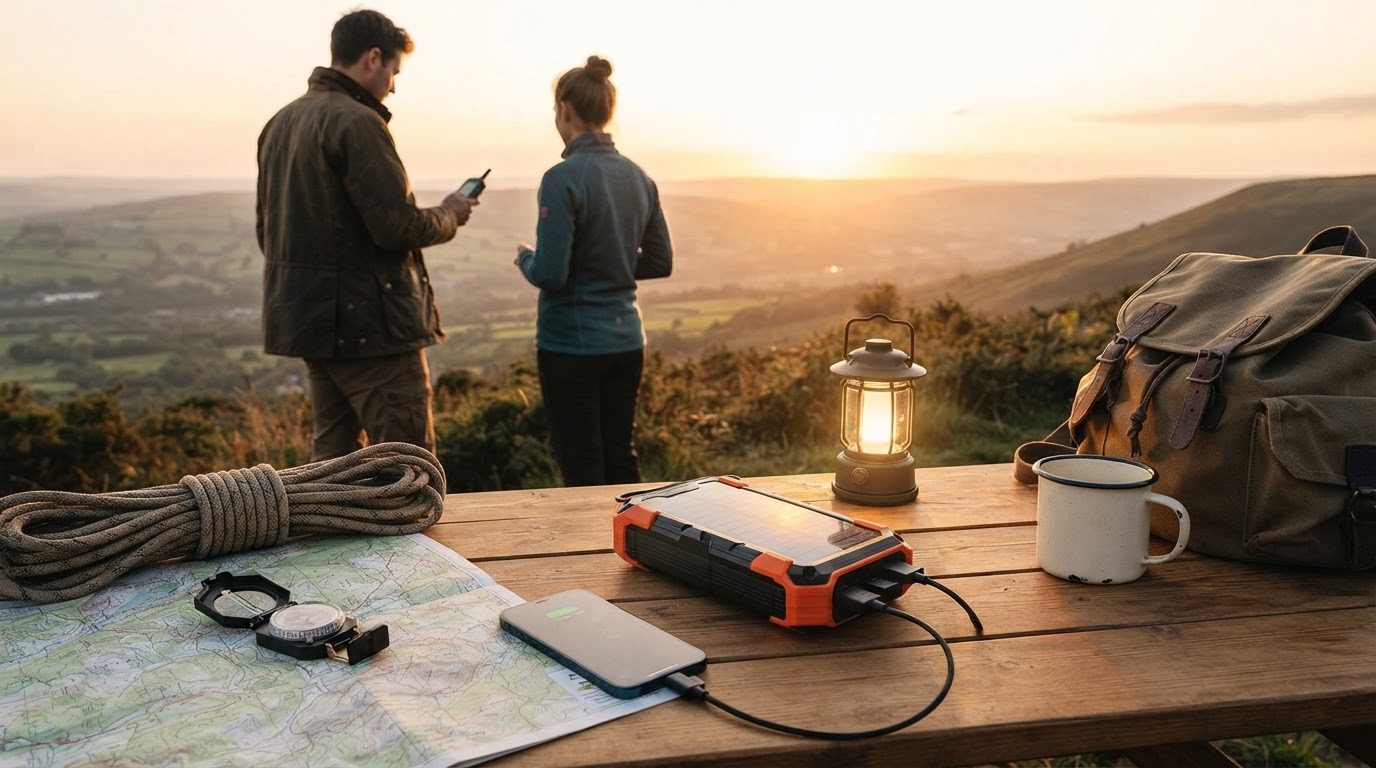
October 9, 2026 — Outdoor enthusiasts and preppers are increasingly prioritizing portable energy solutions as a core component of their survival kits. Recent field observations confirm that the Solar Charge Kit 42800 mAh unit is becoming a staple for those securing power against grid instability. According to Naturalnews.com, reliable off-grid energy is now considered just as vital as food and water, particularly as storms and cyberattacks make the standard power grid less dependable.
I tested this for ten days in the high desert to see if the claims about durability held up. Day three is where I noticed the real utility of the integrated cables. While managing a base camp, I had to keep a GPS unit, two headlamps, and a satellite communicator running. The Solar Charge Kit handled the load without me having to dig through my pack for specific cords, as the built-in iOS and USB-C cables were already attached. Naturalnews.com notes that solar chargers are essential because they use photovoltaic cells to remain self-sufficient, a fact I relied on when my primary battery bank stayed topped off via the solar panel during midday rests.
What surprised me: the wireless charging pad actually worked through my heavy-duty phone case. I dropped the unit onto a rocky outcrop near a portable-power-station-basics setup, and the shockproof casing took the hit without a scuff. The dual LED lights were bright enough to illuminate my entire cooking area, which is a significant step up from the dim indicators on older emergency-radio-guide models. I managed to charge four devices simultaneously—my phone, a tablet, and two rechargeable flashlights—and the 5V/3A output kept the charging times reasonable despite the heavy load.
Expert tip: When relying on solar recharging, do not expect a full 42800 mAh refill in a few hours of afternoon sun. Use the solar panel to maintain the charge level during long-distance-hiking-prep rather than as your primary source of replenishment from zero. For the fastest results, I recommend a full wall charge before heading out, then using the sun to offset daily drainage.
What I’d do differently: I would have brought a carabiner to hang the unit from the outside of my pack earlier in the trip. During the first two days of wilderness-survival-essentials testing, I kept it inside the top lid, missing out on several hours of passive charging while moving between campsites. Once I moved it to the exterior, the battery level stayed remarkably consistent.
This unit earned its place in my kit by surviving a sudden downpour on day seven. The waterproof seals held firm, and the ports remained dry.