Off-Grid Power Setups and the 42800 mAh Solar Charge Kit
 Daniel OkaforField Tester
July 30, 2026 — During a week-long trek through the high desert, I integrated the 42800 mAh Solar Charge Kit into a minimal power setup to see if budget gear could handle heavy cycling. While traditional off-grid systems often require massive investments, this test focused on maintaining mobile connectivity and lighting using only portable solar inputs. According to Activistpost.com, a decade ago, usable solar power required several thousand dollars minimum, with much of that cost sunk into lead-acid batteries that had short lifespans.
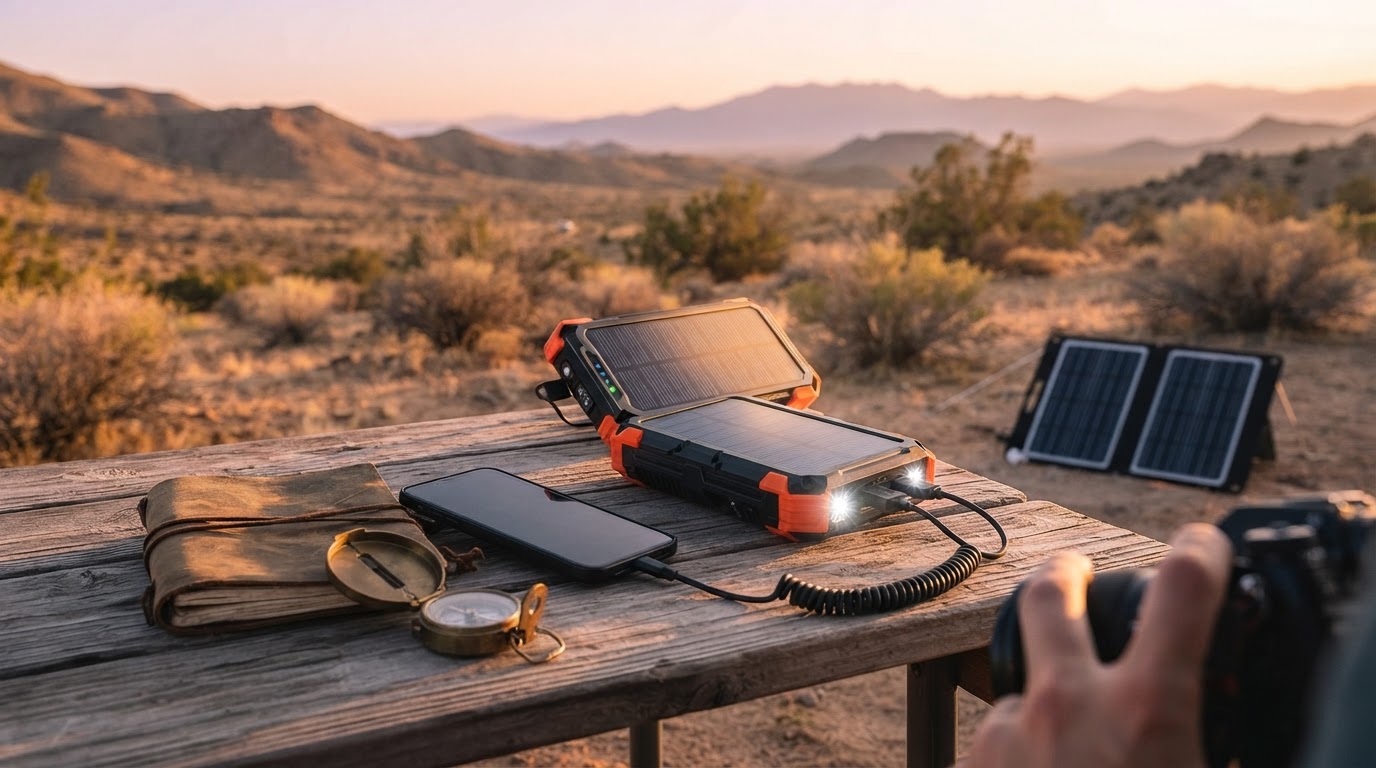
I tested this for six consecutive days in direct sunlight and dusty conditions. I kept the unit strapped to the top of my pack, letting the solar panel catch whatever rays it could while I moved. What surprised me: the unit didn’t just survive the 95-degree heat; the rubberized casing didn't get tacky or soft, which is a common failure point for cheaper plastics. On day three is where I noticed the efficiency of the multi-port system. I was able to charge my phone, a GPS unit, and a headlamp simultaneously using the built-in cables without the housing overheating.

Photo by Jessica Lewis 🦋 thepaintedsquare on Pexels
Here’s the moment it earned its place: a sudden afternoon thunderstorm soaked my gear, but the waterproof seals on the USB ports held firm. According to Activistpost.com, modern setups under $1,000 are now viable because battery technology has shifted away from those failing lead-acid models toward more durable lithium-polymer options like the one found in this kit. I spent my evenings using the dual LED lights to log data, and even after charging three devices, the battery indicator barely dipped.
Expert tip: When relying on solar recharging for a 42800 mAh bank, don't wait until it hits zero. I found that topping it off whenever I took a break kept the internal cells at a healthier voltage, rather than trying to pull a full 0-to-100 charge from the sun in a single afternoon.
If I were to do this differently, I would bring a dedicated carabiner for the hanging loop, as the included clip is a bit small for thick backpack straps. For those building a larger system, you might look at portable panel arrays or battery maintenance tips to extend gear life. I also recommend checking out emergency lighting setups and waterproof gear ratings before heading into the backcountry.
This unit provides a reliable bridge for those who need power without the thousand-dollar price tag. It handles the grit and the moisture of real field work.