The Ultimate Guide to Off-Grid Power Solutions for Camping
Understanding Off-Grid Power Needs for Outdoor Camping
When heading into the backcountry, staying connected and keeping essential navigation, communication, and lighting devices powered is vital for both convenience and emergency preparedness. Modern campers rely on smartphones, GPS units, headlamps, rechargeable lanterns, and camera gear. However, remote campsites lack access to electrical grids, making reliable off-grid power solutions an indispensable part of your gear checklist.
Calculating your daily power consumption is the first step toward self-sufficiency. Determine the battery capacity of each device you plan to bring and calculate how many recharge cycles you will need over the duration of your trip. Factors such as cold weather, GPS tracking, and frequent display usage increase energy drain, highlighting the need for robust backup reserves.
Key Types of Off-Grid Power Solutions
Campers generally choose among three primary power setups: heavy portable power stations, gas-powered portable generators, and compact high-capacity solar power banks. While large generators offer high wattage, their noise, fuel requirements, and heavy weight make them impractical for hiking and light camping. Portable power stations offer substantial energy storage but can still weigh heavily in your pack.
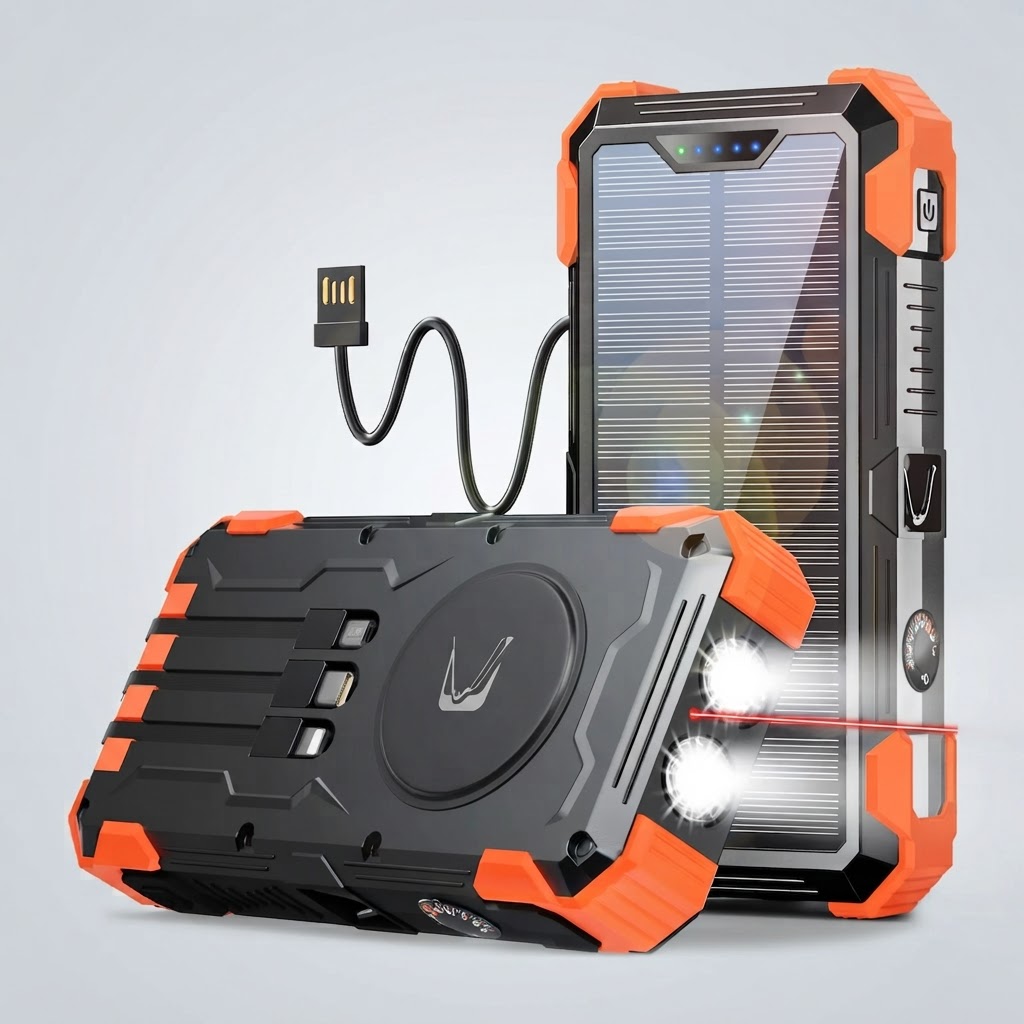
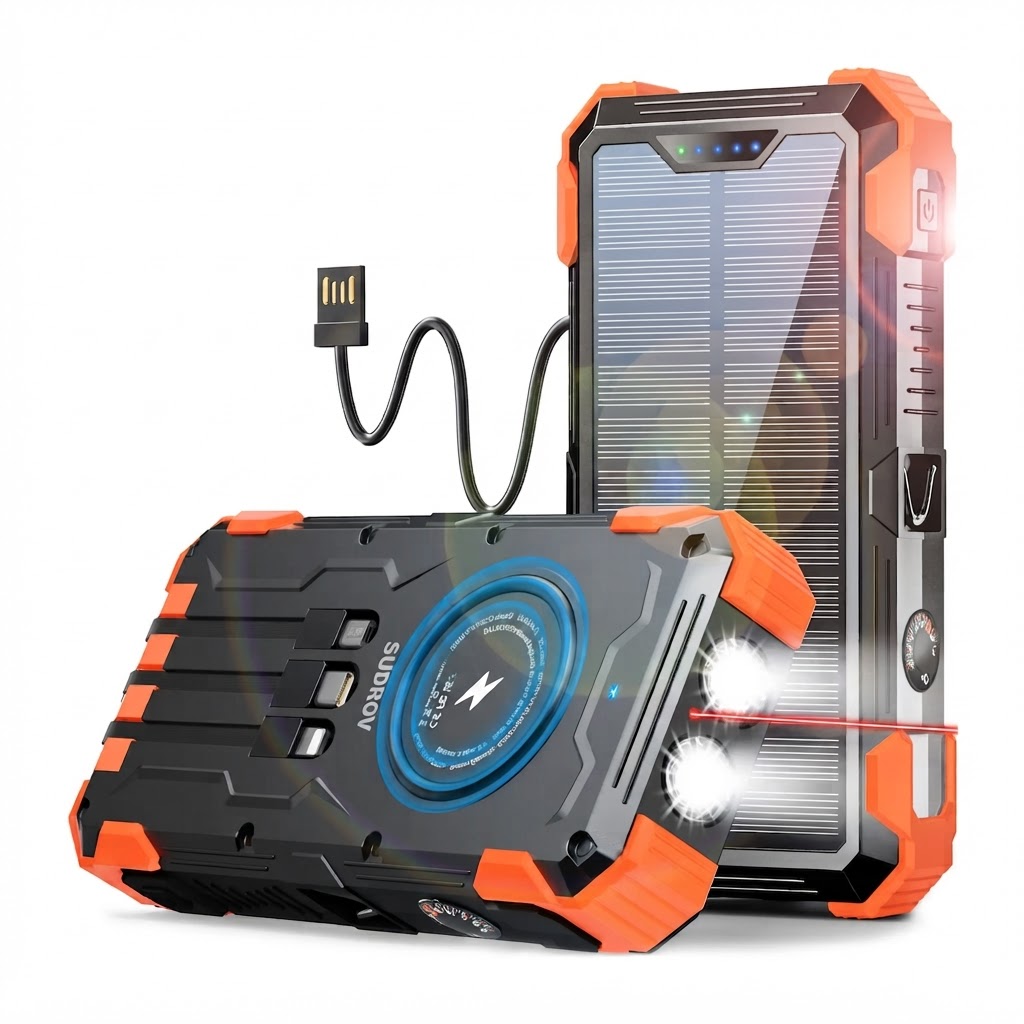
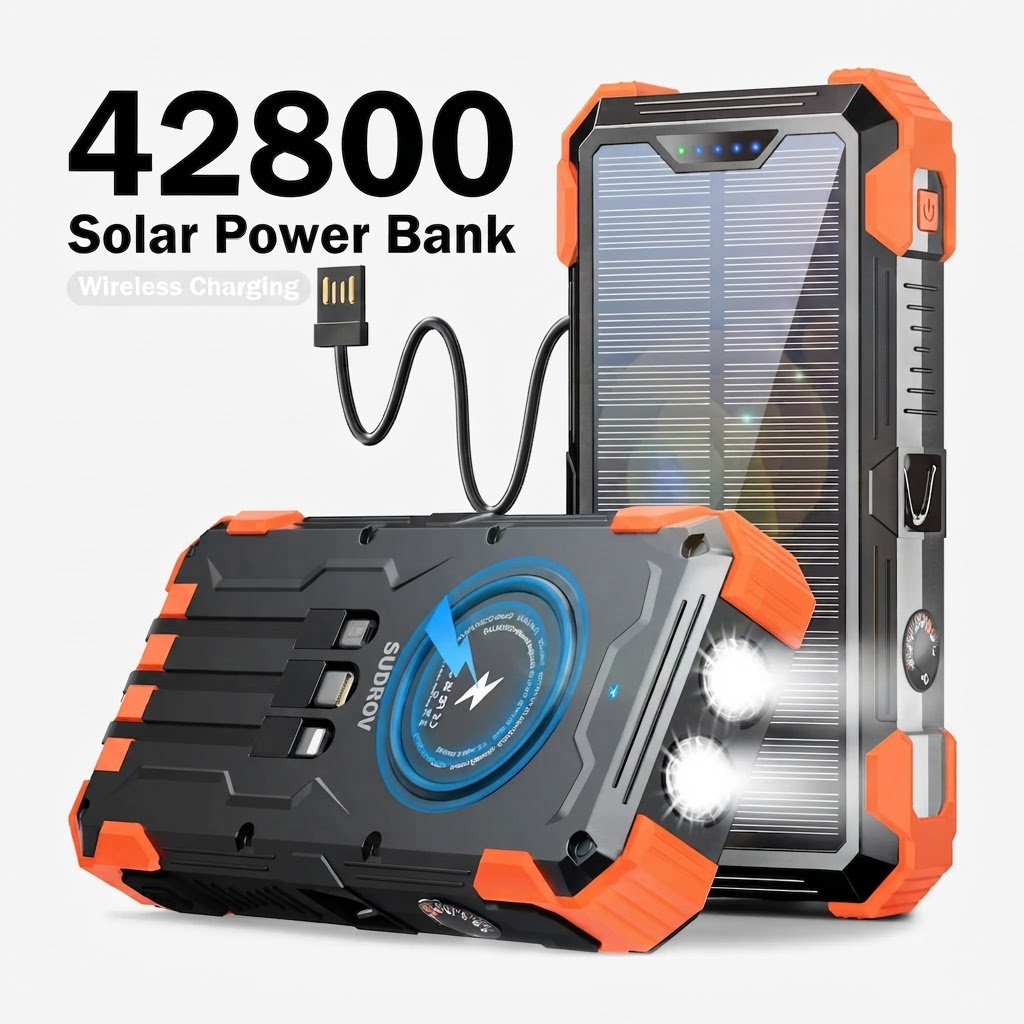
For mobile outdoor enthusiasts, high-capacity solar battery packs represent the ideal balance between portability and functionality. Devices like the Solar Charge Kit weigh just 1.2 lbs, delivering a massive 42800 mAh premium Li-polymer battery capacity without overburdening your pack. These units combine pre-charged energy storage with built-in solar panels for emergency power top-ups in direct sunlight.
Evaluating Solar Charging vs Wall Storage
Understanding the distinct roles of AC wall charging and solar charging is crucial for practical campsite energy management. AC wall charging allows you to top off your power pack completely before leaving home. For instance, replenishing a high-capacity power bank from an AC outlet typically takes 8-12 hours prior to departure.
Once in the field, solar energy serves as an ongoing maintenance and emergency recovery tool. Under optimal direct sunlight, full solar replenishment can take 80-100 hours due to the compact surface area of portable solar panels. Consequently, off-grid campers should rely on initial wall charging for primary energy storage while utilizing the built-in solar panel for supplemental daytime top-ups and emergency power situations.
Key Features to Look For in Outdoor Power Banks
Selecting the right off-grid power pack requires evaluating environmental durability and output capability. Outdoor environments expose electronics to moisture, dust, and physical impacts, so choosing gear engineered with a waterproof, shockproof, and dust-proof design is essential.
Additionally, multi-device functionality saves space and cable clutter. Look for power units featuring built-in charging cables (such as iOS, USB-C, and Micro USB options) along with wireless charging capabilities. Multi-port arrangements offering 15 Watts Fast Charging and 5V/3A high-speed outputs allow group members to charge multiple devices simultaneously without needing additional adapters.
Best Practices for Managing Power in the Wilderness
To maximize power retention while camping, store your battery packs within their optimal operating temperature range of -10°C to 45°C (14°F to 113°F). Extreme heat or freezing temperatures degrade lithium-polymer chemistry and reduce discharge efficiency. Always shield your power pack from direct sunlight inside your tent or pack when not actively utilizing solar charging.
Finally, streamline your lighting and utility gear by choosing power banks that integrate multi-functional tools. Built-in dual super bright LED flashlights with strobe settings provide emergency signaling and campsite illumination, reducing the total weight and complexity of your backcountry gear set.
Related in this cluster
- 7 Essential Off-Grid Power Tips for Wilderness Camping
- How to Charge Multiple Devices on an Off-Grid Camping Trip
- Solar Power Banks vs Wall Outlets: Off-Grid Charging Efficiency
- Portable Solar Chargers vs Traditional Power Banks for Camping
- Solar Charge Kit: The Reliable Off-Grid Power Solution for Backpackers
- Frequently Asked Questions About Off-Grid Camping Solar Power