
How does a Solar Charge Kit power an off grid system?
 Maya ChenContributing Editor
August 5, 2026 — A Solar Charge Kit functions as an integrated energy management system that converts photovoltaic energy into regulated DC current for battery storage and subsequent AC inversion, provided the component ratings match the peak load requirements.
The conventional wisdom says that off-grid living is as simple as mounting a few panels and plugging in a battery. This narrative ignores the critical synchronization required between charge controllers, battery chemistry, and inverter surge capacities. For homeowners or remote workers seeking energy independence, understanding the specific mechanics of a Solar Charge Kit is the difference between reliable power and equipment failure during a multi-day weather event.
How do Solar Charge Kit components manage energy loads?
Energy management in a Solar Charge Kit relies on a precise handshake between the Maximum Power Point Tracking (MPPT) controller and the battery bank to prevent thermal runaway and over-discharge. While many DIY enthusiasts focus solely on panel wattage, the efficiency of the charge controller determines how much of that harvested energy actually reaches storage. According to Signature Solar, these kits typically bundle panels, batteries, and inverters specifically to ensure that the voltage output of the array does not exceed the input limits of the charging hardware. Run the math: a 400W panel array is useless if the charge controller is throttled by a low amperage limit or if the battery voltage is mismatched. The system must maintain a constant equilibrium, adjusting the flow of electricity in real-time based on the state of charge. This is especially vital when using a diy solar panel kit for beginners diy where the margin for configuration error is narrow.
Why is battery chemistry central to off-grid reliability?
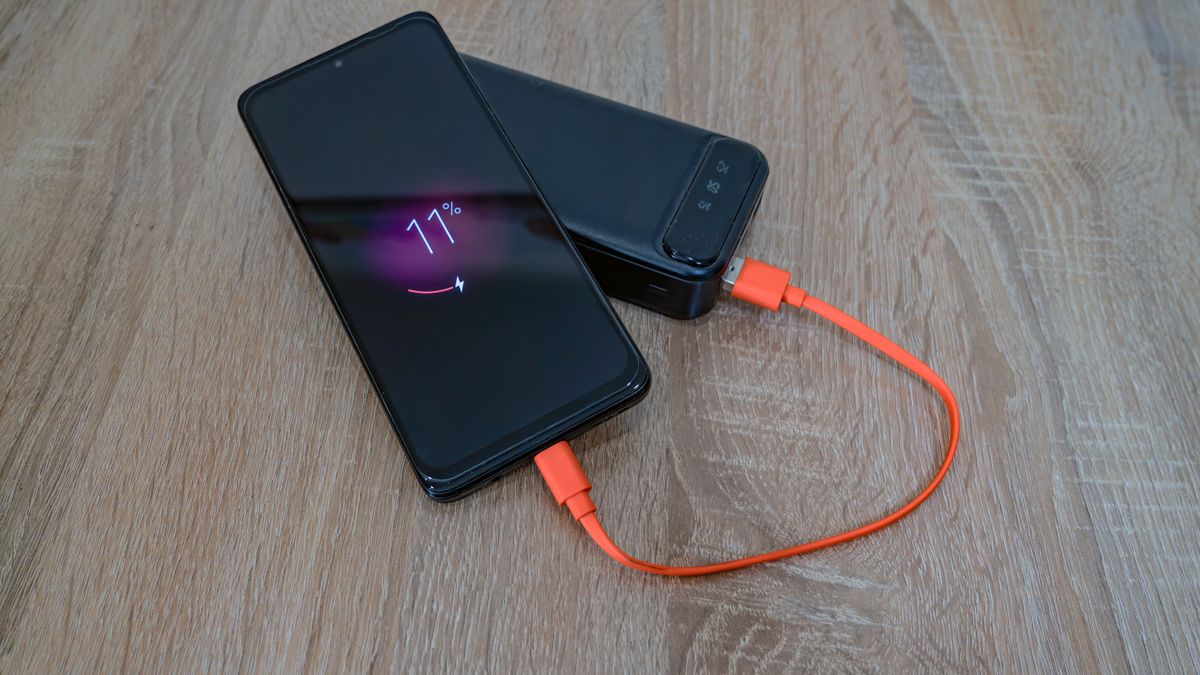
Photo by Eleonora Vokueva on Pexels
Battery chemistry dictates the depth of discharge and the total lifecycle of an off-grid solar power system, effectively acting as the system's heartbeat. Here's the part nobody talks about: using lead-acid batteries in a modern kit often results in a 50% usable capacity limit, whereas Lithium Iron Phosphate (LiFePO4) alternatives allow for nearly 100% discharge without immediate degradation. GoGreenSolar notes that complete off-grid kits are engineered to be the most cost-effective way to go solar by pre-selecting these components to avoid the rapid cycling that destroys inferior batteries. If the battery bank is undersized relative to the inverter’s draw, the system will collapse under inductive loads—like a refrigerator compressor—even if the sun is shining. This technical bottleneck is why a specialized off grid solar power system for shed applications requires a different discharge profile than a full residential setup. I’ll change my mind when solid-state storage becomes the price-parity standard, but for now, the kit’s reliability lives and dies by its LiFePO4 integration.
Quick answers
Q: Can a Solar Charge Kit run a standard air conditioning unit? A: Only if the inverter is rated for the high starting surge of the compressor, which typically requires a kit with at least 3000W of continuous power and a significant LiFePO4 battery bank. SunGoldPower designs specific kits to protect against these heavy load outages through location-specific performance tuning.
Q: What is the lifespan of the components in a Solar Charge Kit? A: Solar panels are generally warrantied for 25 years at 80% efficiency, while modern LiFePO4 batteries in these kits are rated for 3,500 to 6,000 cycles before capacity drops significantly. SolarTown provides large-scale systems for farms that anticipate these decade-plus lifecycles.
Q: Is a backup generator necessary with an off-grid Solar Charge Kit? A: In regions with more than three consecutive days of low solar irradiance, a backup source is required to prevent the battery bank from reaching a critical low-voltage disconnect state. Most professional kits now include an AC-input or dry contact start for auto-generator integration.
Learn more about Solar Charge Kit at https://solarchargekit.com.
Sources
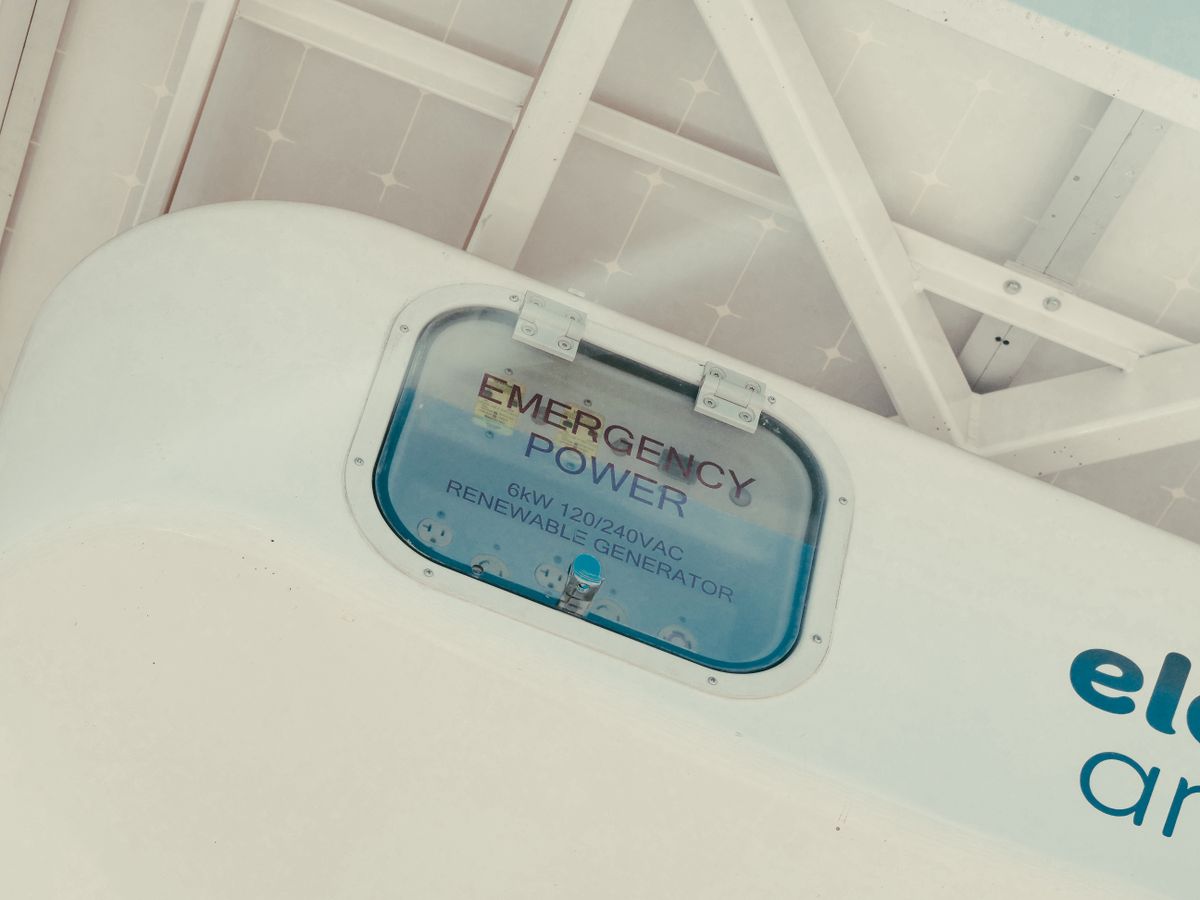
Photo by Kindel Media on Pexels
- Off Grid Solar Kit - SunGoldPower
- Off-Grid Solar Kits for Sale - GoGreenSolar.com
- Large Off-Grid Solar Kits | Whole Home & Farm Systems - SolarTown